
The Men’s Guide to Dressing for Spring
- Written by: Men.com.au

Spring creates a deceptively difficult wardrobe problem for Australian men.
The mornings can still feel like winter. By lunchtime, the temperature may be closer to summer. Add an afternoon breeze, a cool evening or an air-conditioned office, and dressing well becomes less about choosing one perfect outfit and more about building one that can adapt.
The answer is not an entirely new wardrobe. It is a lighter, more flexible version of what already works.
Start With Layers
Layering is the foundation of spring dressing.
A lightweight jacket over a shirt or polo allows a man to respond to changing temperatures without looking as though he dressed for the wrong season.
Good spring layers include:
- An unstructured blazer
- A lightweight bomber jacket
- A cotton overshirt
- A fine merino knit
- A casual linen or cotton jacket
The most useful outer layer is one that can be removed, folded or carried without becoming a burden.
Heavy coats have largely completed their work for the year. Spring calls for clothing that provides coverage without bulk.
Replace Heavy Fabrics
Spring is the time to move away from thick wool, heavy denim and bulky synthetic materials.
Cotton, linen, lightweight wool and breathable fabric blends are generally more comfortable as the weather warms.
Linen deserves particular attention. It is cool, relaxed and well suited to the Australian climate. It also creases easily, but that is part of its character. Linen should look natural rather than rigidly pressed.
A linen shirt worn with chinos or tailored shorts can move comfortably between a café, a casual office and an afternoon social engagement.
Introduce Lighter Colours
Winter wardrobes often rely on black, charcoal, navy and dark brown. Those colours remain useful, but spring provides an opportunity to introduce softer shades.
Consider:
- Stone
- Sand
- Light blue
- Olive
- Cream
- Pale grey
- Soft green
- Muted pink
A man does not need to dress in bright colours to look seasonal. One lighter item is often enough.
A pale blue shirt with navy trousers, a cream polo with olive chinos or a stone jacket over a white T-shirt can refresh an outfit without making it conspicuous.
The Spring Shirt
The shirt becomes more visible in spring because it is no longer hidden beneath heavy knitwear and coats.
A small selection of well-fitting shirts can carry much of the season.
The essentials are:
- A white Oxford shirt
- A light blue business or casual shirt
- A linen shirt
- A restrained patterned shirt
- A quality polo
Fit matters more than brand. The shoulder seam should sit correctly, the sleeves should not drown the hands and the body should follow the wearer’s shape without clinging to it.
Short-sleeved shirts can work, but they should be deliberate. Avoid oversized sleeves, excessive logos and patterns that resemble resort uniforms unless the setting genuinely calls for them.
Trousers Beyond Jeans
Jeans remain useful throughout spring, particularly in darker or mid-blue washes. However, warmer weather creates an opportunity to broaden the rotation.
Chinos are perhaps the most versatile spring trousers. They work with sneakers, loafers, boots, polos, shirts and casual jackets.
Stone, navy and olive are particularly useful colours.
Lightweight tailored trousers can also make casual outfits appear more considered. Worn with a tucked-in polo or plain T-shirt, they offer comfort without looking overly formal.
The objective is not to abandon denim. It is to stop relying on it for every occasion.
When Shorts Are Appropriate
Shorts are part of Australian spring, but they are not suitable everywhere.
A well-cut pair should finish around or slightly above the knee. They should sit neatly at the waist and avoid unnecessary cargo pockets unless they are being worn for a practical outdoor purpose.
Tailored cotton shorts, linen-blend shorts and simple walking shorts are safer choices than heavily branded sportswear.
Shorts work best with polos, linen shirts, quality T-shirts, clean sneakers, loafers or sandals designed for town rather than the beach.
Context remains important. Shorts may be ideal for lunch near the coast and entirely wrong for a formal dinner or important business meeting.
Shoes Set the Tone
Spring footwear should feel lighter, but it should not look careless.
Useful options include:
- White or neutral leather sneakers
- Suede loafers
- Lightweight desert boots
- Minimalist trainers
- Leather sandals for genuinely casual settings
Footwear often determines whether an outfit looks polished or unfinished.
A simple combination of chinos and a polo can appear sharp with clean leather sneakers and ordinary with worn running shoes.
Athletic shoes belong with exercise clothing unless they are deliberately designed as lifestyle footwear.
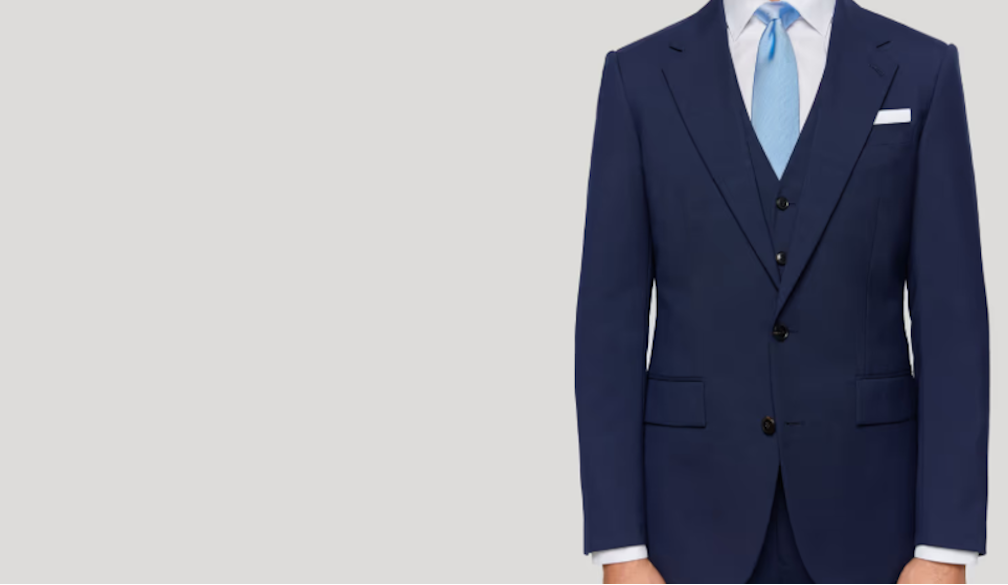
The Spring Suit
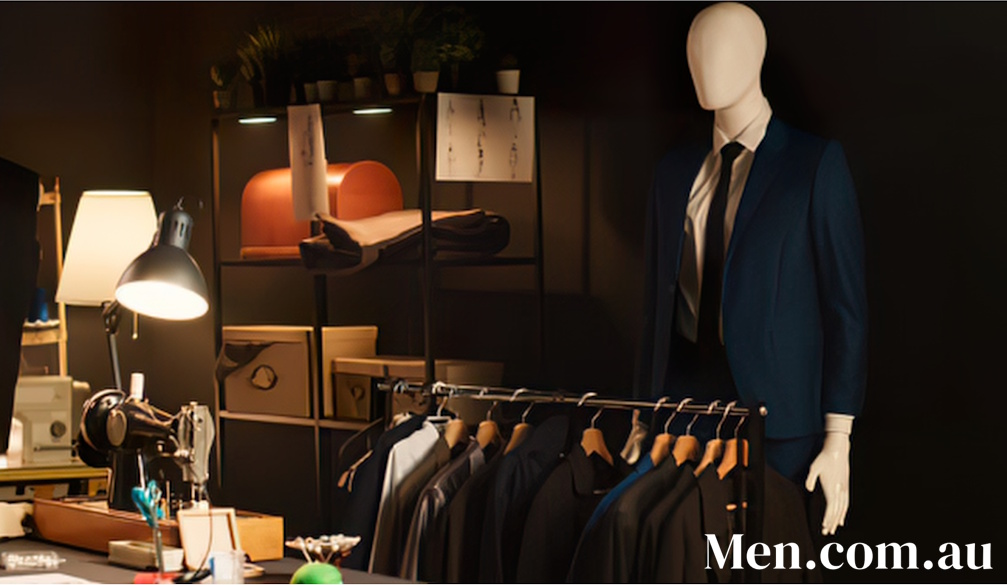
Men who wear suits do not need to abandon tailoring as temperatures rise.
The solution is to choose lighter construction and fabric.
An unlined or partially lined suit in lightweight wool, cotton or a linen blend will breathe more effectively than a heavily structured winter suit.
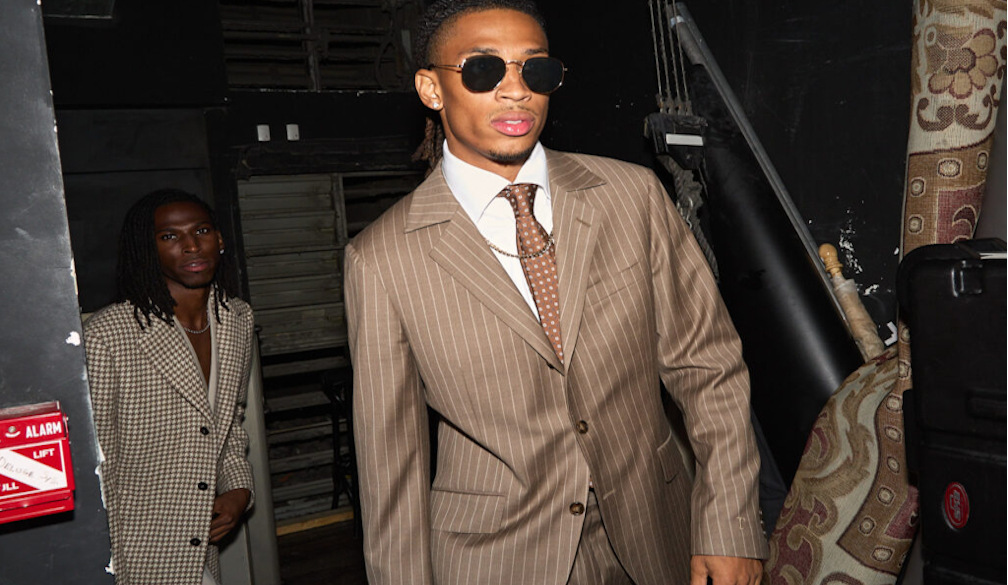
Navy remains the most adaptable colour, while light grey, tan and muted blue can work well for daytime events, weddings and less formal workplaces.
The spring suit should feel relaxed. Softer shoulders, lighter shirts and less rigid accessories help prevent it from appearing unnecessarily severe.
A tie may still be required, but many occasions will permit an open collar or knitted tie instead of traditional heavy silk.
The Value of a Good Jacket
A spring jacket may be the hardest-working item in a man’s wardrobe.
It can add structure to a T-shirt, sharpen a polo or make jeans suitable for dinner.
An unstructured navy blazer is particularly useful because it can be worn with grey trousers, chinos, jeans or tailored shorts in the right setting.
An overshirt offers a more casual alternative. It combines some of the usefulness of a jacket with the comfort of a shirt and is ideal for travel, weekends and transitional weather.
Choose one that fits comfortably over a T-shirt or fine knit without looking oversized.
Grooming Is Part of Spring Style
Warmer weather exposes more of the person wearing the clothes.
Hair, skin, facial hair, footwear and general presentation become increasingly noticeable when outfits are lighter and simpler.
Spring is a sensible time to:
- Replace worn T-shirts
- Clean and condition shoes
- Review sunglasses
- Trim facial hair
- Update a haircut
- Introduce a lighter fragrance
- Use sunscreen daily
Good style is rarely created by clothing alone. It is the cumulative effect of fit, cleanliness, grooming and attention to detail.
Do Not Buy Too Much
Seasonal marketing encourages men to believe they need an entirely new wardrobe.
Most do not.
A practical spring update may require only:
- One lightweight jacket
- Two breathable shirts
- One quality polo
- One pair of chinos
- One pair of well-cut shorts
- One pair of clean casual shoes
These items can be combined with existing jeans, T-shirts, business shirts and footwear.
The smarter approach is to identify gaps rather than accumulate more clothing.
Build Around Real Life
A spring wardrobe should reflect how a man actually spends his time.
A corporate worker may need lightweight tailoring, polished shoes and breathable shirts.
A man working from home may gain more value from polos, overshirts and quality casual trousers.
A frequent traveller may prioritise wrinkle-resistant fabrics, layers and versatile footwear.
A coastal wardrobe will differ from one designed for Melbourne mornings or Canberra evenings.
Style becomes useful when it solves practical problems. It becomes wasteful when it is built for an imaginary lifestyle.
The Men.com.au View
Spring dressing is not about chasing every seasonal trend. It is about becoming lighter, more adaptable and slightly more relaxed without losing structure.
The most effective spring wardrobe allows a man to move through changing temperatures, workplaces, weekends and social occasions without appearing overdressed or underprepared.
Buy fewer pieces. Choose breathable fabrics. Improve the fit. Clean the shoes. Add one useful layer.
The result is not a dramatic transformation. It is something better: a wardrobe that quietly works.