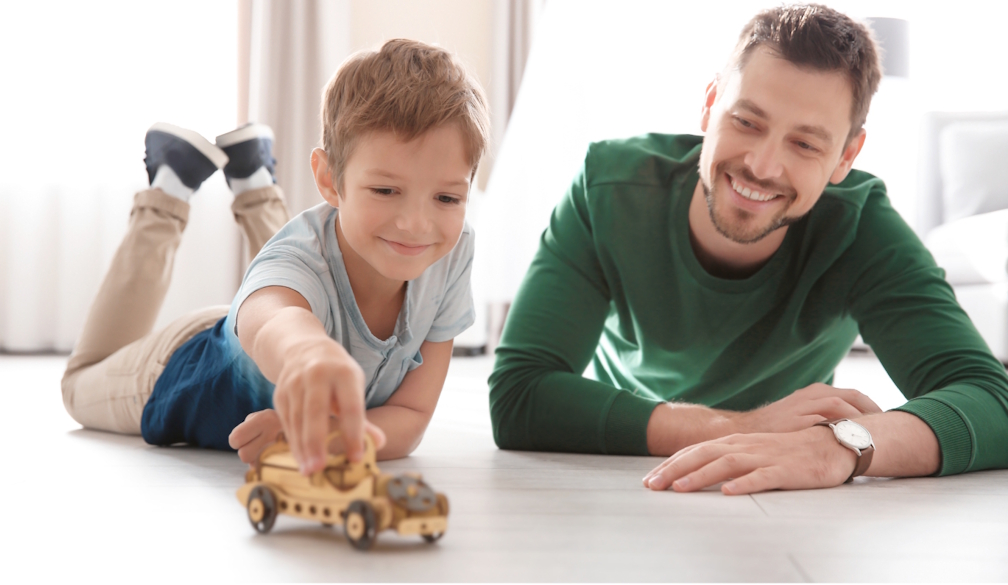

Fatherhood: You Are Not Creating a Person — You Are Guiding One

One of the greatest misconceptions about parenting is the belief that mothers and fathers completely shape who a child becomes.
Experience often proves otherwise.
Babies arrive in the world with their own temperament, personality, energy and spirit already emerging from the very beginning.
Some are calm.
Some are adventurous.
Some are cautious.
Some are fiercely independent before they can even speak.
Good parenting is not about manufacturing a human being into a predetermined vision.
It is about recognising who that child already is — and helping them become the strongest, healthiest and happiest version of themselves.
Children Are Not Projects
Modern parenting culture can sometimes place enormous pressure on mothers and fathers.
The right school.
The right activities.
The right routines.
The right social development.
The right milestones.
Yet many experienced parents quietly discover something important:
Children are not blank pages.
They are individuals.
The role of a parent is less about control and more about guidance.
Less about ownership and more about stewardship.
Fathers Matter Deeply
The role of fathers has evolved significantly in modern Australia.
Today, many men are far more emotionally involved, present and nurturing than previous generations were often encouraged to be.
That matters enormously.
A strong father figure can help provide:
- Stability
- Confidence
- Protection
- Encouragement
- Perspective
- Calmness
- Discipline
- Emotional safety
Importantly, fatherhood is no longer defined purely by financial provision.
Presence matters.
Attention matters.
Listening matters.
Children often remember how their father made them feel long after they forget specific words or lessons.
Love Builds Confidence
One of the most powerful gifts a parent can provide is unconditional love.
Not performance-based approval.
Not affection tied only to achievement.
But genuine support.
Children who feel safe and loved often develop stronger emotional resilience because they understand they are valued beyond success or failure.
That security becomes part of their internal foundation for life.
Guidance, Not Domination
Strong parenting does not require intimidation.
The most respected fathers are often calm rather than loud.
Firm rather than aggressive.
Consistent rather than unpredictable.
Children generally respond better to:
- Structure
- Fairness
- Reliability
- Patience
- Explanation
- Emotional control
than fear alone.
Discipline remains important, but modern parenting increasingly recognises that respect works more effectively than constant anger.
Every Child Is Different
Perhaps the greatest challenge in parenting is understanding that what works for one child may not work for another.
Some children thrive with encouragement.
Others need reassurance.
Some need space.
Others seek closeness.
Parenting therefore requires observation.
The best fathers often become students of their own children.
They learn:
- Personality traits
- Emotional triggers
- Strengths
- Fears
- Motivations
- Communication styles
That understanding allows guidance to become more effective and compassionate.
Children Learn by Watching
Parents often focus heavily on what they say.
But children learn just as much from what they observe.
They watch:
- How fathers treat their partner
- How stress is handled
- How people are spoken to
- How conflict is managed
- Work ethic
- Emotional behaviour
- Manners
- Integrity
A father’s conduct quietly becomes part of a child’s blueprint for adulthood.
That responsibility is significant.
But it is also powerful.
Perfection Is Impossible
Many modern parents carry unnecessary guilt.
No father gets everything right.
There will be mistakes.
Impatience.
Stress.
Moments of exhaustion.
Parenting is not a performance measured by perfection.
Children rarely need flawless parents.
They need loving, stable and emotionally available ones.
Sometimes apologising to a child teaches more strength than pretending never to be wrong.
Encouragement Creates Courage
One of the most valuable things a father can do is encourage curiosity and confidence.
Children flourish when they feel:
- Heard
- Supported
- Trusted
- Safe to fail
- Safe to try again
A child constantly criticised may become fearful.
A child constantly encouraged often becomes courageous.
That courage carries into adult life.
Modern Fatherhood
The image of fatherhood is changing.
Today’s fathers increasingly aim to be:
- Providers
- Mentors
- Protectors
- Teachers
- Role models
- Emotional anchors
Modern masculinity increasingly includes compassion alongside strength.
And many men are discovering that fatherhood may become one of the most important leadership roles they ever hold.
The Quiet Legacy of Good Fathers
Years from now, children may not remember every birthday gift or school achievement.
But they often remember:
- Feeling safe
- Feeling loved
- Feeling supported
- Feeling understood
In the end, parenting may be less about shaping a perfect child and more about helping a unique human being navigate the world with confidence and kindness.
Because babies are not unfinished projects waiting to be designed by adults.
They are already themselves.
A mother and father simply help light the path ahead.