
Fashion in 2026: Why intentional style is replacing fast trends
- Written by: Olivia Zhai, Chief Product Officer, THDR Group
There’s a quiet but meaningful shift happening in menswear. It’s subtle compared with past trend cycles, but it’s reshaping how men are approaching their wardrobes this Autumn/Winter. More than just cost-of-living pressures, this change reflects a behavioural shift as men are moving away from impulse buying and choosing pieces with intention, longevity, and versatility. Wardrobes are no longer about fleeting trends or one-off statement pieces - they’re about items that genuinely fit the way men live.
Trends that are overly specific or short-lived have naturally lost traction since last year. Oversized silhouettes are mellowing, heavy logos feel outdated, and one-season pieces are harder to justify, pushing a lot of consumers to hybrid dressing. Tailored jackets over relaxed shirts, trousers with minimalist sneakers, and outerwear that transitions from office to dinner are some examples of the focus. It’s the mix-and-match adaptability that makes wardrobes feel smart, functional, and versatile.
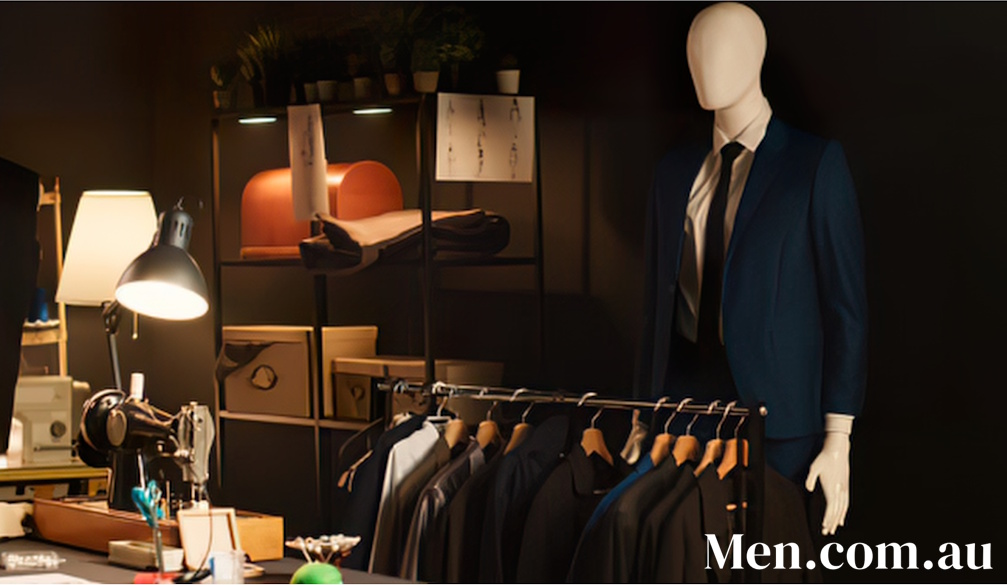
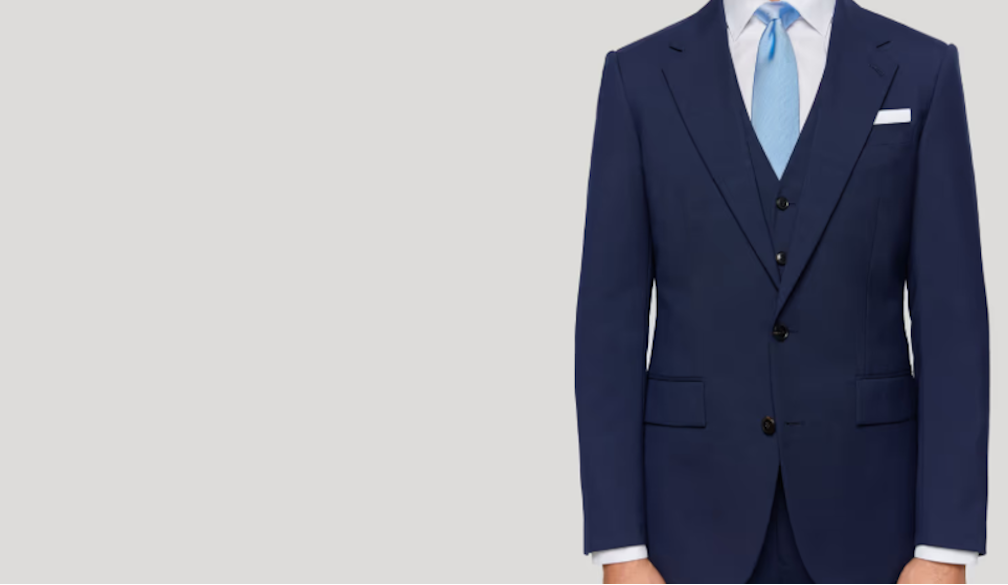
THEODORE, our Australian-made-to-measure suiting brand, gives a front-row view of this shift. Our clients are no longer chasing something ‘new’ simply because it’s circulating online. Instead, they’re looking for pieces that can pull double or triple duty, such as a blazer that works with matching trousers, elevates denim, or even pairs with smart joggers; trousers that dress up with a shirt or dress down with a knit. Accessories, like a finely textured scarf or subtle cufflinks, are chosen to add personality without overwhelming the outfit. Then, most recently, Neuono, our AI-led fashion platform, backs this up by showing us how men are actually putting their wardrobes together. The data shows this shift isn’t just aspirational, but instead it’s practical. Men are thinking in terms of cost per wear rather than just price, choosing pieces that move seamlessly across work, socialising, travel, and everything in between.
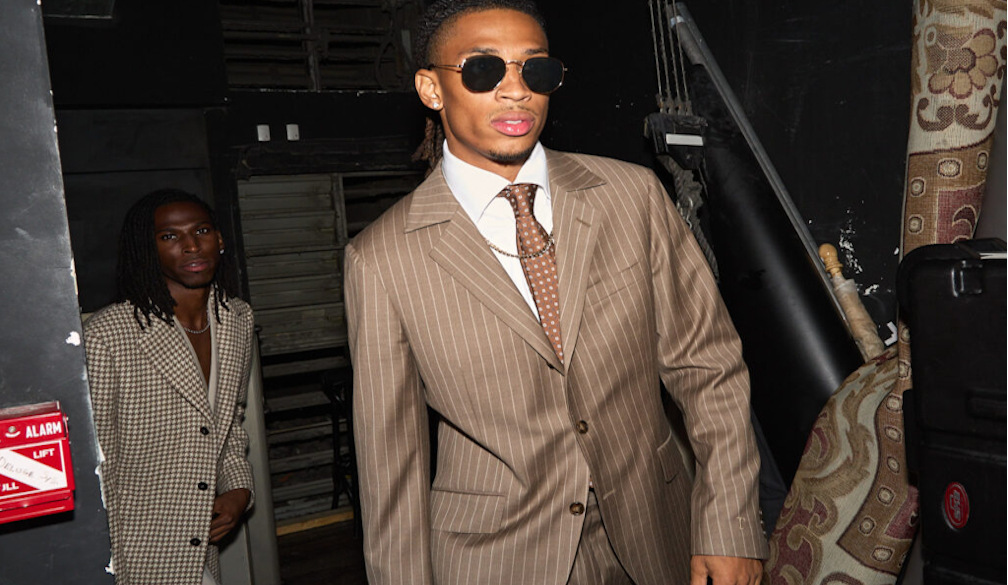
With this focus on more wearable, diverse outfits, when it comes to statement pieces, they certainly haven’t disappeared, but their approach is evolving. Bold prints, extreme cuts, and heavy branding are fading, instead, being replaced by subtle choices that bring character through refined textures, interesting fabrics, and thoughtful tailoring. A textured blazer in brushed wool or herringbone, for instance, delivers modern wearability and multiplies cost-per-wear, compared with an overtly patterned one-off piece. Fabric choice itself is now a key driver - soft, structured materials that hold shape but move with the wearer are highly sought after.
Refreshing a wardrobe in 2026 doesn’t require a complete overhaul. My advice is always tostart with the pieces you wear most and upgrade intentionally - one great blazer, a better-fitting pair of trousers, or shoes that instantly refine a look. It’s these small shifts that can change the entire feel of a wardrobe and ultimately give you much more wearability from items you own.