
How to Reduce the Risk of Developing Deadly Skin Cancer

Skin cancer is a disease that affects the skin, functions, and appearance. Skin cancer has various causes. Some causes can be avoided, while others are non-avoidable. The non-avoidable causes of skin cancer can be controlled to prevent skin cancer. In contrast, the avoidable causes of skin cancer can be controlled by preventing specific factors that increase the risks of developing skin cancer.
For the unavoidable causes of skin cancer (hereditary), the development of skin cancer is hastened by exposing oneself to specific factors that are termed catalysts for the avoidable causes of cancer. The most common factor is ultraviolet rays. This article will highlight how to prevent skin cancer by identifying the types of ultraviolet rays, sources of skin cancer, and steps to protect oneself from ultraviolet rays. Ensure to read to the end for more eye-opening information.
Types Of Ultraviolet Rays
There are primarily two types of ultraviolet rays, they are:
-
Ultraviolet A rays
-
Ultraviolet B rays
They are both very harmful to the skin, and constant exposure to them increases the risk o skin cancer.
Sources Of Ultraviolet Rays
These are some of the sources of ultraviolet rays:
-
The sun: This is the primary source of ultraviolet rays, and it produces both types of ultraviolet rays. However, it is impossible to avoid the sun, but it is possible to know when the sun produces the highest amount of ultraviolet rays. The sun produces the highest amount of ultraviolet rays when you observe that the length of your shadow is shorter than your full body length. This is observed around 10:00 am to 02:00 pm. At this time, the sun is at its hottest.
-
Tanning booth and sunlamps: These sources are high producers of ultraviolet B rays. Medical experts advise against the regular use of these devices.
Steps That Protect The Skin From Ultraviolet Rays
After identifying the primary sources of ultraviolet rays, the next step to take is shielding yourself from these rays. The steps to protect the skin from these ultraviolet rays include:
-
Clothing: You are advised to pay attention to your clothing when going out under the sun. The ideal clothes to wear are dark-colored and thick clothes. These clothes should cover the skin correctly. There is also special clothing designed to block or filter the number of ultraviolet rays that reach the skin.
-
Sunscreen: Endeavor to apply enough sunscreen when going out under the sun, as it reduces the number of ultraviolet rays that reach the skin. There is special ultraviolet protective sunscreen that can be used when swimming.
-
Using hats and sunglasses: Ensure to use hats with a thick layer and wide brims to protect the head from ultraviolet rays. Ensure to use specialty-designed sunglasses that offer eye protection from ultraviolet rays.
-
Avoid the use of tanning medications: These drugs are not endorsed by the Food and Drug administration as they contain substances that are harmful to the skin.
-
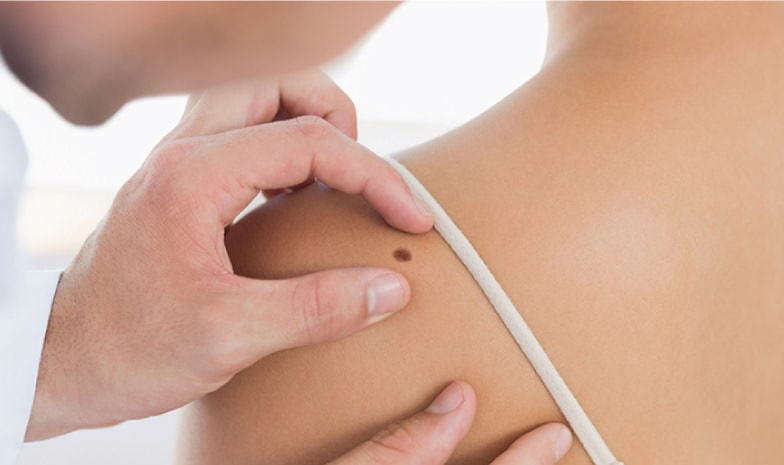
Skin examination: Make a habit of conducting regular skin examinations for skin cancer signs, by visiting a skin cancer specialist.
Conclusion
The most-effective method of protecting oneself from ultraviolet rays is avoiding the sun when it is at its peak because it produces a high amount of ultraviolet rays. Other methods of protecting the skin from ultraviolet rays have been highlighted above in this article.
If you’re concerned with any strange sores or moles on your skin, arrange an appointment with a preeminent skin cancer treatment clinic, such as Skin Clinic Robina.