
Style is learned: why great clothing changes how men feel
- Written by: Men.com.au
Some men seem to have style naturally.
Most do not.
Style is usually learned slowly through observation, experimentation and confidence. It is cultivated over time in much the same way a man develops his taste in music, food, travel or architecture.
Yet once a man understands style, he begins to notice something important.
People notice.
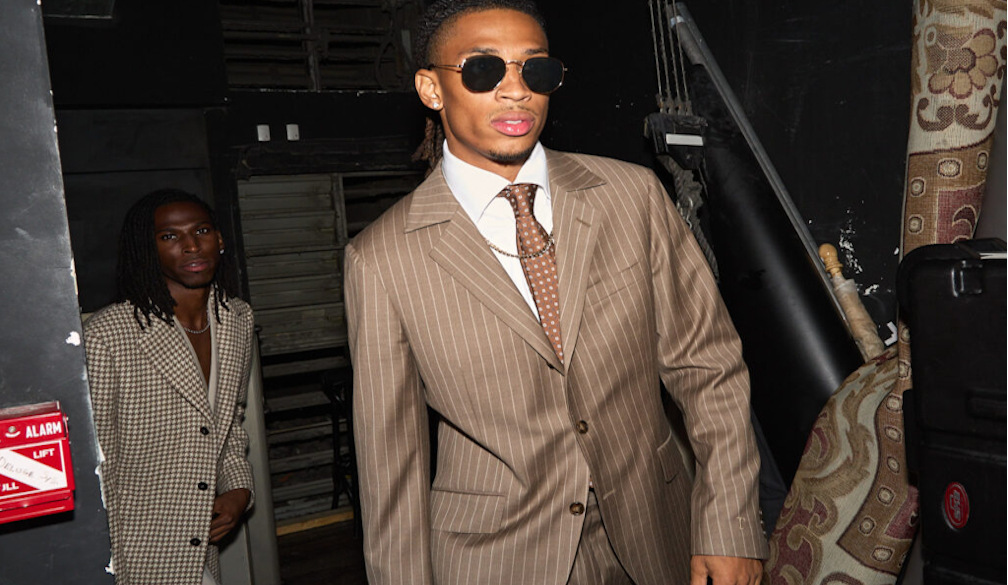
A well-dressed man walks differently. He carries himself differently. Others respond differently. Quality clothing does more than cover the body. It changes presence.
This is not necessarily about wealth.
It is about choices.
A quality jacket hangs properly on the shoulders. Good fabric moves differently. Well-cut trousers sit correctly. Shoes matter. Fit matters. Texture matters. Colour matters.
Men often underestimate how much these details influence perception.
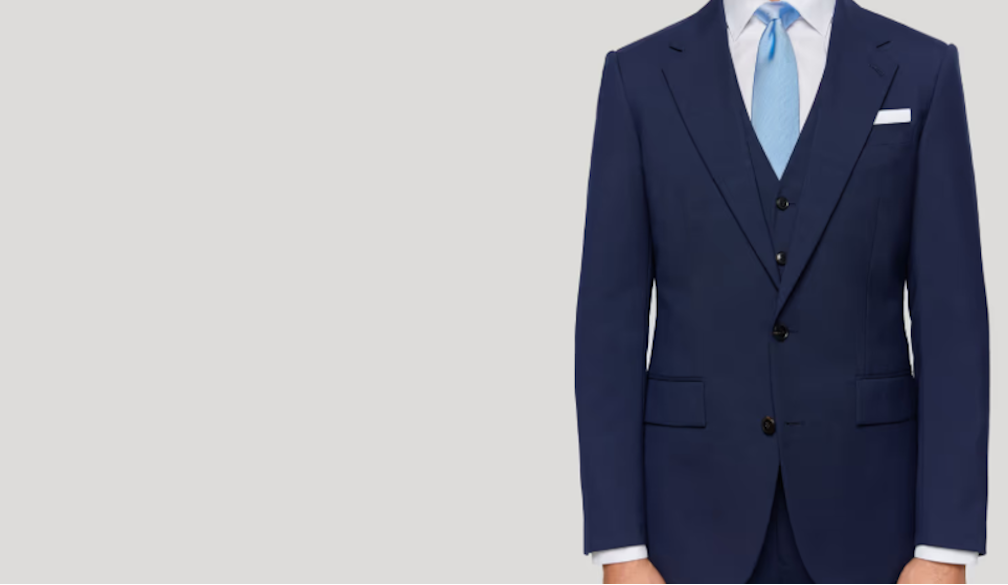
A properly fitted sports coat or suit instantly changes how a man appears in a room.
There is a reason cinematic characters such as Daniel Craig as James Bond or Brad Pitt in many of his films leave such a strong visual impression.
It is not simply because they are famous or attractive.
Entire teams of costume designers carefully select cuts, fabrics, colours, shoes, watches and accessories to create an image of confidence, sophistication and masculinity.
Men can learn from this.
Observe what works.
Look at how jackets fit. Notice the length of trousers. Observe colour combinations. Pay attention to textures and layering.
Style education can begin with films.
One veteran hairdresser once described a familiar frustration.
“A customer walks in with a picture of a young Robert Redford on his phone and says, ‘I want to look like that.’”
The reality, of course, is that most men cannot become a young Robert Redford.
But they can absolutely improve their appearance dramatically through better clothing choices, grooming and presentation.
That is the real lesson.
Style is not imitation.
It is refinement.
Many Australian men begin with purely practical clothing. There is nothing inherently wrong with inexpensive clothing from stores such as Kmart. Affordable clothing serves a purpose and for many years may simply reflect priorities, income or convenience.
But eventually some men decide they want to elevate their appearance.
That decision often changes how they shop permanently.
Instead of buying whatever is cheapest or easiest, they begin looking at:
- Fabric quality
- Fit
- Structure
- Colour coordination
- Footwear
- Tailoring
- Simplicity
- Grooming
The difference becomes noticeable very quickly.
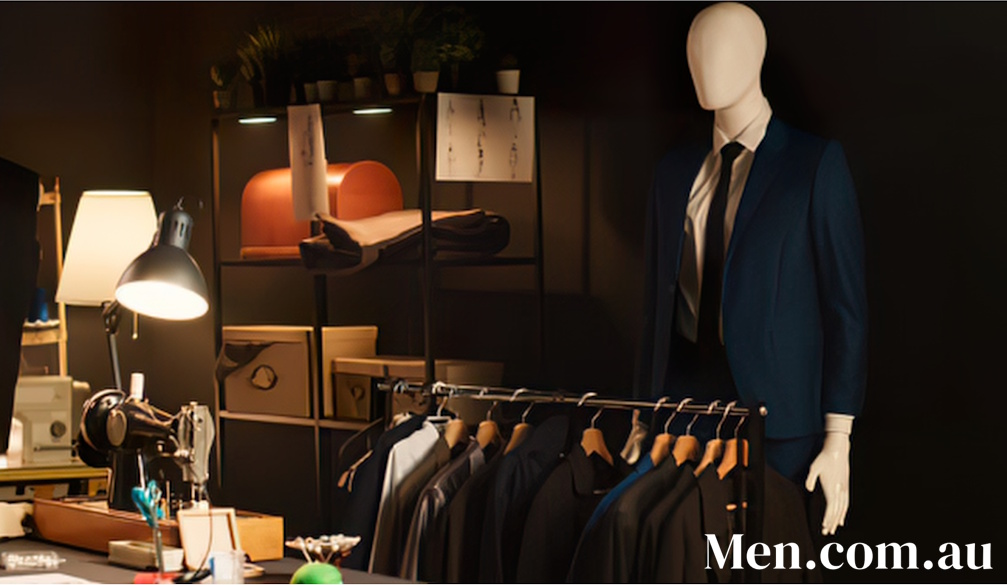
Tailor-made suits remain one of the great style experiences for men. A properly fitted suit has presence that is difficult to replicate off the rack.
The problem is practicality.
Few men require large wardrobes of tailored shirts and bespoke suits unless their profession or lifestyle justifies it. Most men sensibly combine higher-quality statement pieces with well-selected off-the-rack clothing.
That is where style becomes realistic rather than theatrical.
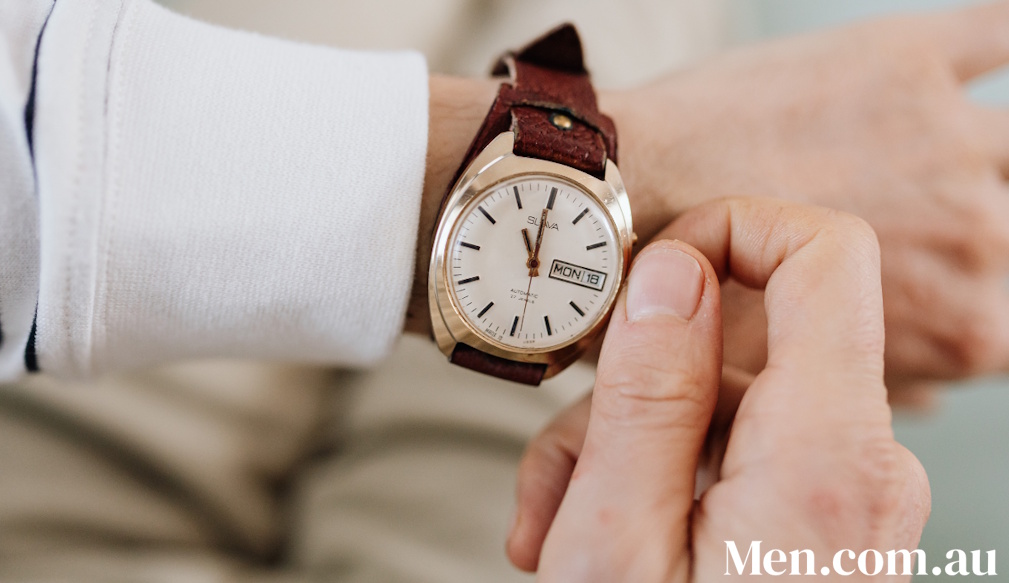
A quality navy blazer. Well-fitted chinos. Leather shoes. A crisp white shirt. A good watch. Proper grooming.
Simple combinations often create the strongest impression.
Australian department stores such as David Jones continue to offer men access to higher-quality brands and better tailoring advice than many discount retailers. In major cities, specialist menswear stores and tailoring houses provide another level of craftsmanship and guidance for men interested in refining their appearance.
Importantly, style should not become intimidation.
Many men avoid improving their wardrobe because they assume style belongs exclusively to celebrities, wealthy executives or fashion insiders.
It does not.
Style is simply attention.
Attention to fit. Attention to quality. Attention to self-respect.
And like many things in life, once a man experiences the confidence that comes from looking better, he often wants more of it.
Style can become slightly addictive.
Not in a superficial sense, but because the results are tangible.
Looking good often leads to feeling good.
Confidence improves. Self-awareness improves. Presence improves.
Men notice it.
Women notice it.
Employers notice it.
The important point is that style rarely arrives automatically.
It is developed.
The modern world teaches men many practical skills. How to drive. How to work. How to invest. How to use technology.
Far fewer men are taught how to dress properly.
Perhaps what is needed is a male equivalent of The Devil Wears Prada — a film that demonstrates how style, tailoring, grooming and presentation can quietly transform confidence and identity.
Until then, men can learn the old-fashioned way.
Observe.
Experiment.
Lift your game.
And understand that great style is not about becoming somebody else.
It is about becoming a better-presented version of yourself.