
Is Fade-Resistant Decking a Myth?
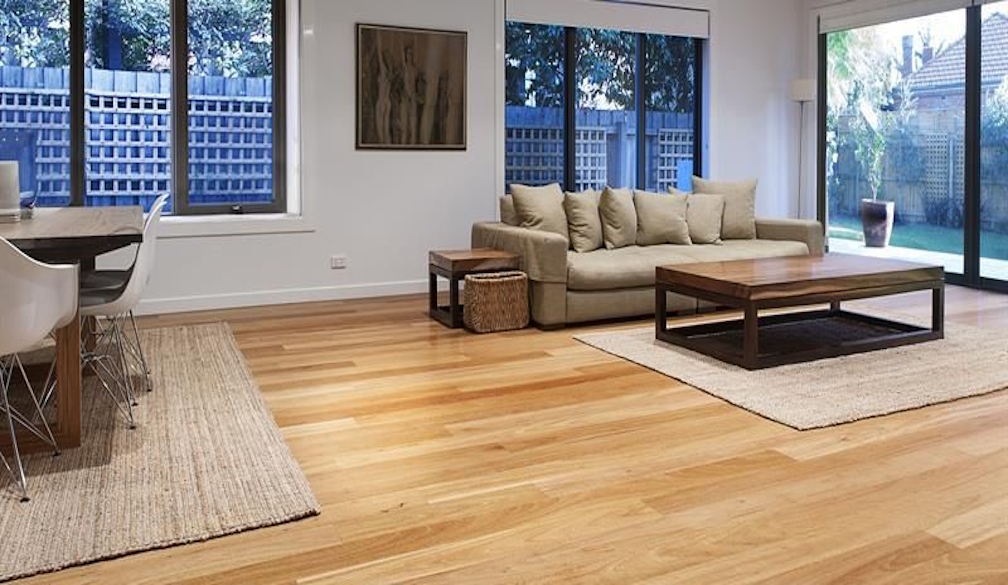
Premium composite decking has transformed outdoor living across Australia. Offering a stylish, sustainable, and low-maintenance alternative to traditional timber, it is designed to withstand our harsh climate, resisting moisture, rot, termites, and splintering.
While high-quality boards are engineered to last up to 50 years, a common question remains for savvy homeowners planning their investment: Does composite decking fade?
As a trusted supplier of outdoor living solutions, we are here to provide the honest answer, helping you manage expectations and choose the right product for your home.
The Reality: The "Weathering" Phase (First 3–6 Months)
The short answer is yes, composite decking boards do undergo a colour change, but it is a controlled, natural process known as stabilisation or weathering.
It is important to understand that the colour of the boards when they are first installed is not their final hue. Manufacturers intentionally produce boards with slightly over-saturated pigmentation. Why? Because they know the Australian sun is strong.
During the first three to six months (12–24 weeks) of exposure to UV rays and rain, the boards will naturally lighten. This is not a defect; it is the material settling into its intended, permanent tone.
Key Takeaway: If your deck looks slightly lighter after a few months, do not panic. The structural integrity of the boards remains 100% intact. This is simply the excess pigment washing out and the board achieving its "forever colour."
Which Colours and Types Resist Fading Best?
If maintaining a specific aesthetic is your top priority, your choice of board type and colour plays a massive role. Here is what you need to look for:
1. Capped vs. Uncapped Boards
- Capped (Co-Extruded) Composite: These boards feature a hard, protective outer shell (cap) that encases the core. This shield is packed with UV inhibitors, making it significantly more resistant to fading and staining than older, uncapped generations.
- Uncapped Composite: While still durable, these boards leave the wood fibres more exposed. They will fade more noticeably, often settling into a drift-wood grey over time.
2. Dark vs. Light Hues
- Darker Colours: Sold by select decking suppliers in Australia, shades like charcoal, slate grey, and deep browns tend to retain their depth better than lighter tans or greys. They offer better long-term colour stability.
- Lighter Colours: While beautiful, lighter boards show the "weathering" shift more obviously as they settle.
Texture Matters: Woodgrain vs. Grooved
Surprisingly, the physical texture of the board affects how the human eye perceives colour fading.
- Grooved Boards: These boards feature narrow, compact recesses or ridges. These ridges create "micro-shadows" across the surface, meaning less of the board is exposed to direct, full-face sunlight throughout the day. This can make fading appear less significant.
- Woodgrain / Flat Boards: These offer a smoother, classic timber look. However, because the surface is uniformly exposed to the sun, the UV absorption is consistent across the whole board. This can result in a more uniform, albeit slightly faster, visible fade.
Verdict: Both textures offer excellent durability, but grooved boards may hide the weathering process better.
3 Strategies to Maintain Your Deck’s Colour
While you cannot stop the sun, you can take proactive steps to keep your deck looking vibrant for decades.
1. Keep it Clean: Dirt, pollen, and debris can trap moisture and act as an abrasive. Sweeping your deck once a week and washing it down monthly ensures uniform exposure to the elements, preventing "patchy" fading.2. Proper Installation: Ensure your installer leaves the correct gaps between boards. This promotes airflow and prevents moisture buildup, which can degrade the surface appearance over time.
3. Use a Reviver (If Needed): If your deck is older, consider using a high-quality composite decking reviver. Always consult the manufacturer’s guidelines before applying any chemicals to ensure they are compatible with your specific brand of Sydney decking.
Conclusion
Does composite decking fade? Yes, it undergoes a natural "weathering" process during the first few months to reach its true colour.
However, unlike timber which turns grey and rots without constant oiling, capped composite decking locks in its colour after this initial phase, providing you with a stunning, hassle-free outdoor area for decades.
To ensure the best results, we recommend choosing capped, darker-toned boards and maintaining a simple cleaning schedule. By doing so, you can enjoy a robust, high-value outdoor sanctuary that stands the test of time.