
Prestige On Wheels: Is There Such A Thing As A Luxury Chinese Car?
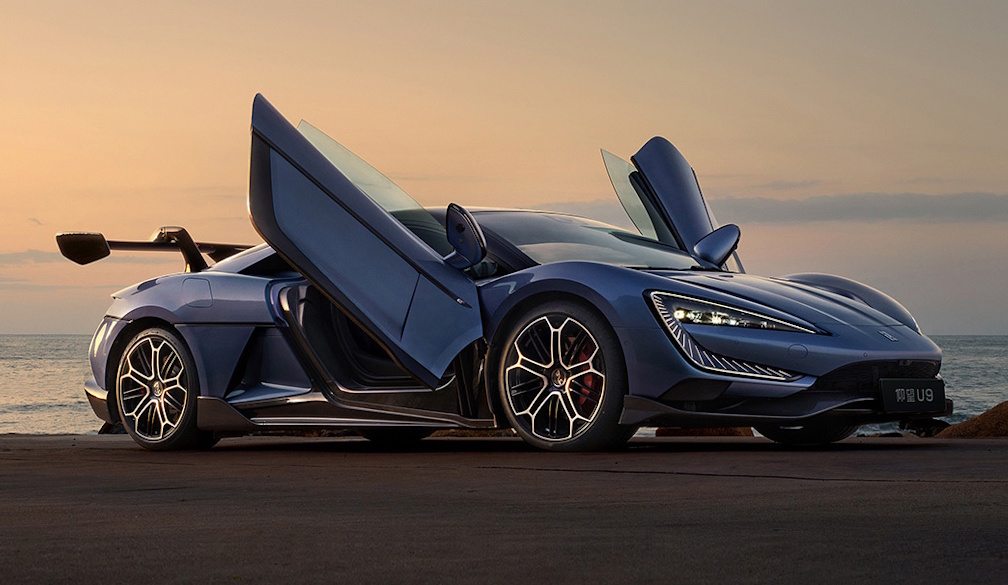
For decades, luxury cars came from familiar places.
Germany gave the world precision engineering and executive prestige. Britain delivered handcrafted elegance. Italy specialised in passion and theatre. America built oversized luxury cruisers with enormous presence.
China, however, was rarely mentioned in conversations about prestige motoring.
That is changing — and changing rapidly.
The rise of Chinese automotive manufacturing has been one of the most dramatic shifts the global car industry has ever seen. What began with affordable budget vehicles has evolved into something far more ambitious: luxury cars designed not simply to compete with established brands, but to challenge them directly.
The question now being asked by many men interested in style, status and technology is simple:
Can a Chinese car genuinely be prestigious?
The Old Perception
For many years, Chinese cars carried a reputation for being inexpensive alternatives rather than aspirational purchases.
Buyers associated them with value rather than prestige.
Luxury car ownership has traditionally been tied to heritage. Brands such as Mercedes-Benz, BMW, Porsche and Bentley spent decades — sometimes more than a century — building emotional attachment, motorsport history and social status.
Prestige is not created overnight.
Or so the traditional manufacturers believed.
China Took A Different Approach
Rather than attempting to slowly evolve over generations, Chinese automotive companies aggressively accelerated their development.
Massive investment, government support, electric vehicle technology and partnerships with global designers transformed the industry in an astonishingly short period.
Some Chinese manufacturers recruited executives and designers directly from Europe’s most respected luxury brands. Others focused heavily on futuristic interiors, advanced technology and electric performance.
The result is a new category of vehicle that feels very different from traditional luxury motoring.
Less heritage.
More innovation.
Technology Is The New Prestige
Luxury used to mean polished wood, leather interiors and large engines.
Today, luxury increasingly means technology.
Huge digital displays.
Autonomous driving systems.
Advanced connectivity.
Artificial intelligence integration.
Whisper-quiet electric drivetrains.
Chinese manufacturers recognised this shift earlier than many traditional brands. Instead of competing solely on heritage, they positioned themselves as technology leaders.
For younger affluent buyers especially, innovation itself has become a status symbol.
Driving something futuristic can now create more attention than driving something traditional.
The Rise Of Chinese Luxury Brands
Several Chinese brands are now attempting to establish themselves firmly in the premium and prestige segments.
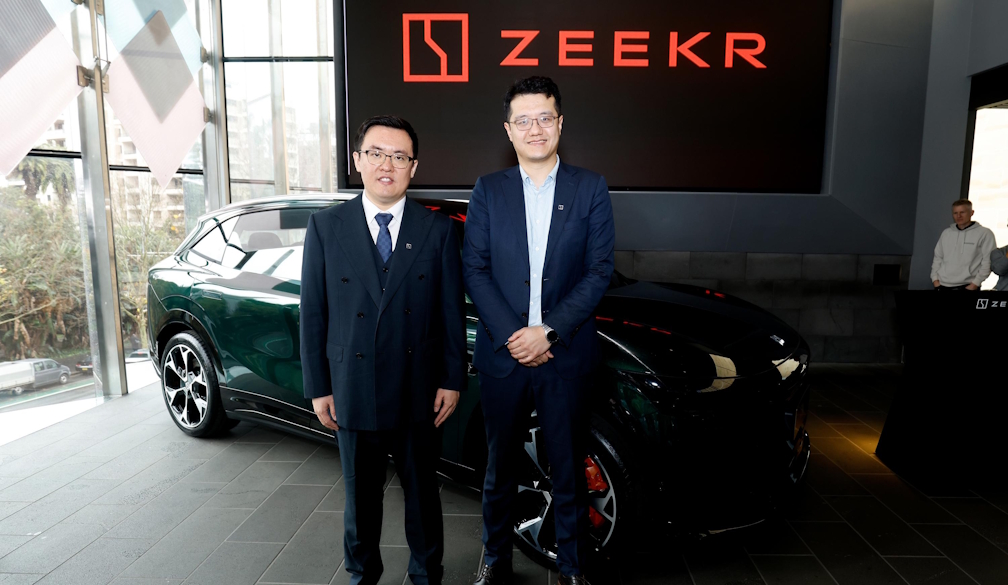
Vehicles from manufacturers such as BYD, NIO, Zeekr, Hongqi and XPeng increasingly feature interiors, performance figures and technology packages that rival established European competitors.
Some models already attract attention because they look different from the traditional luxury vehicles dominating Australian roads.
There is also an exclusivity factor.
A new luxury Chinese vehicle can feel fresh and uncommon compared with yet another black German SUV in a shopping centre car park.
For some buyers, uniqueness itself has become desirable.
But Is It Real Prestige?
This is where opinions become divided.
Traditional luxury buyers often argue prestige cannot simply be manufactured through technology or expensive materials. They believe true luxury requires history, reputation and emotional legacy.
A Rolls-Royce represents more than transportation.
A Porsche carries decades of motorsport achievement.
A Rolex symbolises generations of craftsmanship.
Chinese luxury brands are still relatively young by comparison.
For many affluent buyers, prestige still comes from what a brand represents socially and historically — not merely how advanced the product appears.
Showing Off Has Changed
There is also another important shift taking place.
Modern displays of wealth are becoming more subtle.
Some successful men no longer want obvious status symbols. Instead of traditional luxury brands that loudly signal wealth, many prefer products that appear intelligent, modern and understated.
A technologically advanced Chinese luxury EV may actually appeal to this mindset.
It can project innovation, financial confidence and independence from old prestige stereotypes.
In some circles, driving something different demonstrates more confidence than following traditional luxury trends.
Australia And The Chinese Luxury Question
Australia is becoming an important testing ground for Chinese prestige vehicles.
Australian buyers have historically been pragmatic. If a vehicle offers strong technology, long warranties, attractive pricing and premium presentation, many consumers are open-minded enough to consider it.
Electric vehicle adoption is also accelerating the conversation.
As EV technology reshapes the automotive world, traditional luxury hierarchies are becoming less certain. New brands now have opportunities that previously would have been impossible.
The next decade may completely redefine what automotive prestige looks like.
The Verdict
So, is there such a thing as a prestige luxury Chinese car?
Increasingly, yes.
But it is a different form of prestige.
Traditional luxury brands still dominate when it comes to history, emotional attachment and established status. That advantage remains powerful.
Chinese luxury vehicles, however, are creating a new prestige category built around technology, modernity and disruption.
For some men, that is not merely acceptable.
It is exactly the point.
Because sometimes the ultimate show of confidence is not driving what everybody expects.
It is driving what everybody notices.