
How Commercial Diving Companies Are Embracing New Technologies Underwater
The underwater world presents unique challenges for commercial diving operations. From oil rig maintenance to underwater construction, divers face extreme conditions daily. Recent technological advances have changed how these professionals work beneath the waves.
Commercial diving has evolved significantly from its early days of basic equipment and limited capabilities. Today's diving companies use advanced robotics, communication systems, and specialised tools that would seem like science fiction to divers of previous generations. These innovations improve safety, extend working depths, and increase efficiency in underwater tasks.
The integration of new technologies into commercial diving represents a major shift in industry practices. Companies that adopt these innovations gain competitive advantages through improved performance and reduced risks. This technological revolution continues to accelerate, with Franmarine Underwater Services implementing cutting-edge solutions to tackle increasingly complex underwater projects.
Advanced Diving Equipment and Life Support Systems
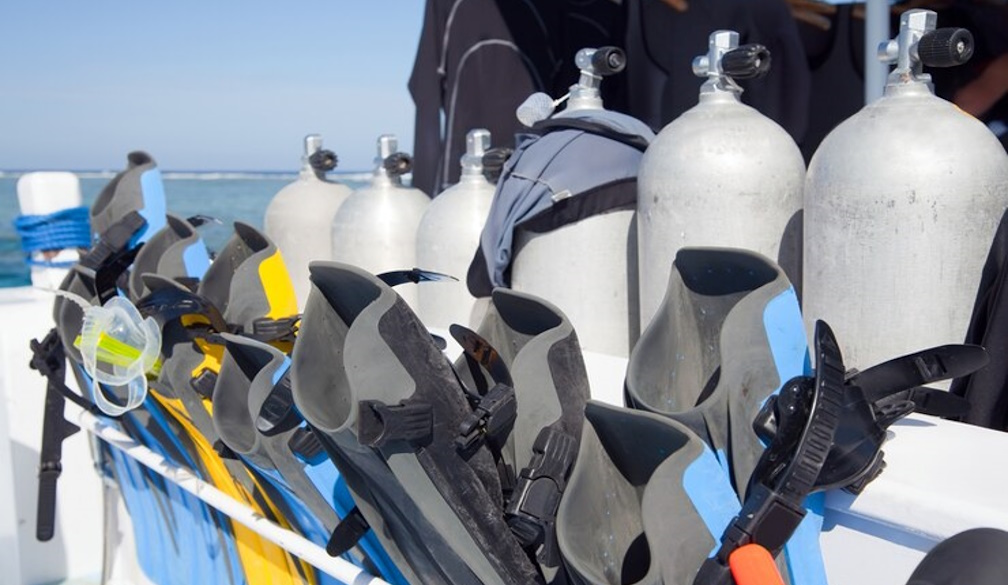
Modern commercial diving equipment has progressed far beyond traditional heavy helmets and air hoses. Today's systems feature integrated computers that monitor oxygen levels, depth, temperature, and diver biometrics in real time. These sophisticated life support systems allow for longer bottom times and safer operations in challenging environments.
Rebreather technology has become standard in many commercial diving operations. Unlike traditional open-circuit systems that release exhaled gas into the water, rebreathers recycle breathing gas by removing carbon dioxide and adding oxygen. This technology extends dive times, reduces gas consumption, and minimises bubbles that might interfere with sensitive work. The latest models include redundant safety systems and intuitive interfaces that simplify operations even in stressful situations.
Atmospheric diving suits (ADS) represent another leap forward in diving technology. These hard suits maintain internal pressure at one atmosphere regardless of depth, eliminating decompression requirements and greatly reducing physiological risks. Modern ADS units feature articulated joints, thruster propulsion systems, and manipulator arms that allow divers to work effectively at depths beyond 300 metres. These suits bridge the gap between traditional diving and remotely operated vehicles, combining human decision-making with mechanical protection against the crushing pressures of the deep.
Underwater Communication and Connectivity Breakthroughs
Clear communication remains essential for safe and effective underwater operations. Traditional methods relied on rope signals and basic wired systems, but modern diving operations now employ advanced wireless technologies. Full-face masks with integrated communication systems allow divers to speak naturally with surface teams and other divers, improving coordination and reducing misunderstandings during complex tasks.
Through-water communication has seen remarkable improvements with ultrasonic technology. These systems transmit data through water using sound waves, enabling real-time voice communication and telemetry without physical connections to the surface. The latest systems feature noise-cancellation algorithms that filter out background noise from equipment and marine environments, ensuring messages remain clear even in challenging conditions. Some advanced systems now incorporate bone conduction technology, transmitting sound directly through the skull to bypass ear-related issues in noisy underwater environments.
Underwater Wi-Fi networks represent the cutting edge of subsea connectivity. Using optical or electromagnetic transmission methods, these systems create local networks that connect divers, ROVs, and surface vessels in a seamless information ecosystem. This connectivity transforms how diving teams share information and make decisions during operations.
Remotely Operated Vehicles (ROVs) and Autonomous Underwater Vehicles (AUVs)
ROVs have revolutionised commercial diving by handling tasks too dangerous or deep for human divers. These tethered underwater robots range from small inspection units to massive work-class systems capable of heavy construction tasks. Modern ROVs feature high-definition cameras, powerful manipulator arms, and specialised tools for cutting, welding, and other underwater work.
The integration of ROVs with human diving teams creates powerful operational synergies. Divers can focus on tasks requiring human dexterity and judgment while ROVs handle repetitive or hazardous work. This partnership extends the capabilities of diving operations while reducing human exposure to risks. Advanced ROVs now incorporate haptic feedback systems that allow operators to "feel" what the robot touches, bringing a new dimension of control to remote operations.
AUVs represent the next evolution in underwater robotics. Unlike ROVs, these vehicles operate without tethers, following pre-programmed missions or adapting to conditions autonomously. Commercial diving companies use AUVs for large-area surveys, pipeline inspections, and environmental monitoring. The latest models can operate for weeks without surface support, using artificial intelligence to identify anomalies and collect targeted data. This autonomy dramatically reduces the cost and time required for underwater surveys while providing consistent, high-quality results.
Underwater Imaging and Mapping Technologies
Underwater visibility challenges have historically limited diving operations, but modern imaging technologies have transformed this situation. Multibeam sonar systems create detailed 3D maps of underwater structures even in zero-visibility conditions. These systems emit sound waves that bounce off objects and return to sensors, creating point clouds that software converts into accurate visual representations.
Photogrammetry has become an essential tool for underwater documentation and measurement. By taking overlapping photographs from multiple angles, software creates precise 3D models of underwater structures, archaeological sites, or biological features. Commercial divers use these models for planning, progress tracking, and client reporting. The technology allows millimetre-accurate measurements without physical contact, preserving sensitive structures while gathering comprehensive data.
Augmented reality (AR) displays in diver helmets combine real-world views with computer-generated information. These systems overlay structural plans, work instructions, or sonar data onto the diver's visual field, providing crucial context for complex tasks. For example, a diver working on an underwater pipeline can see the internal structure projected over their view, helping them locate specific components without reference to physical documents. This technology reduces task time and improves accuracy by putting information directly in the diver's line of sight.
Digital Twins and Predictive Maintenance
Digital twin technology creates virtual replicas of physical underwater assets, allowing companies to monitor conditions and simulate interventions before committing divers. These detailed digital models combine design specifications with real-time sensor data to reflect the current state of underwater structures. Commercial diving companies use digital twins to plan maintenance operations, identify potential failures before they occur, and optimize repair strategies.
The integration of sensors throughout underwater infrastructure feeds these digital models with continuous data streams. Modern underwater structures incorporate pressure sensors, corrosion monitors, vibration detectors, and other instruments that track structural health. This sensor network allows diving companies to target maintenance efforts precisely where needed, rather than following fixed schedules that might address non-existent problems or miss developing issues.
Predictive analytics applies machine learning algorithms to this sensor data, identifying patterns that precede equipment failures. These systems can detect subtle changes in vibration signatures, temperature profiles, or electrical characteristics that indicate developing problems. By alerting operators to these early warning signs, predictive maintenance allows diving companies to schedule interventions before catastrophic failures occur. This approach reduces emergency repairs, extends equipment life, and minimises operational disruptions.
Environmental Monitoring and Sustainable Practices
Commercial diving companies increasingly incorporate environmental monitoring into their operations. Advanced sensor packages measure water quality parameters, detect pollutants, and track marine life around work sites. This data helps companies minimize their environmental impact and comply with increasingly strict regulations. Some diving operations now deploy permanent sensor networks that provide continuous environmental monitoring before, during, and after underwater projects.
Eco-friendly equipment innovations reduce the environmental footprint of diving operations. Biodegradable hydraulic fluids replace traditional petroleum-based products, minimising damage from inevitable small leaks. Electric tools powered by surface generators or battery packs eliminate local emissions compared to hydraulic systems. Low-impact anchoring systems and careful positioning protocols protect sensitive seabed habitats during extended operations.
Restoration technologies have become an important part of commercial diving services. Companies now use specialised techniques to transplant corals, install artificial reefs, or restore damaged marine habitats. These efforts often employ 3D-printed structures designed to mimic natural formations and encourage marine life colonisation. By combining environmental remediation with industrial services, forward-thinking diving companies create positive ecological outcomes alongside their commercial activities.
Conclusion
The technological transformation of commercial diving continues at an accelerating pace. From advanced life support systems to autonomous underwater vehicles, these innovations expand the capabilities of diving operations while improving safety and efficiency. Companies that embrace these technologies gain significant advantages in a competitive industry.
The future of commercial diving will likely see even greater integration of human divers and robotic systems. Exoskeletons that enhance diver strength and endurance, advanced materials that improve protection against extreme environments, and artificial intelligence systems that support decision-making will further extend underwater capabilities. These developments will open new possibilities for underwater construction, maintenance, and exploration.
As technology continues to advance, the human element remains central to commercial diving operations. The judgment, adaptability, and problem-solving abilities of trained divers complement technological capabilities. The most successful diving companies will be those that effectively combine human expertise with cutting-edge technology, creating synergies that neither could achieve alone.