

Beach Sun Safety Tips: How to Protect Your Skin
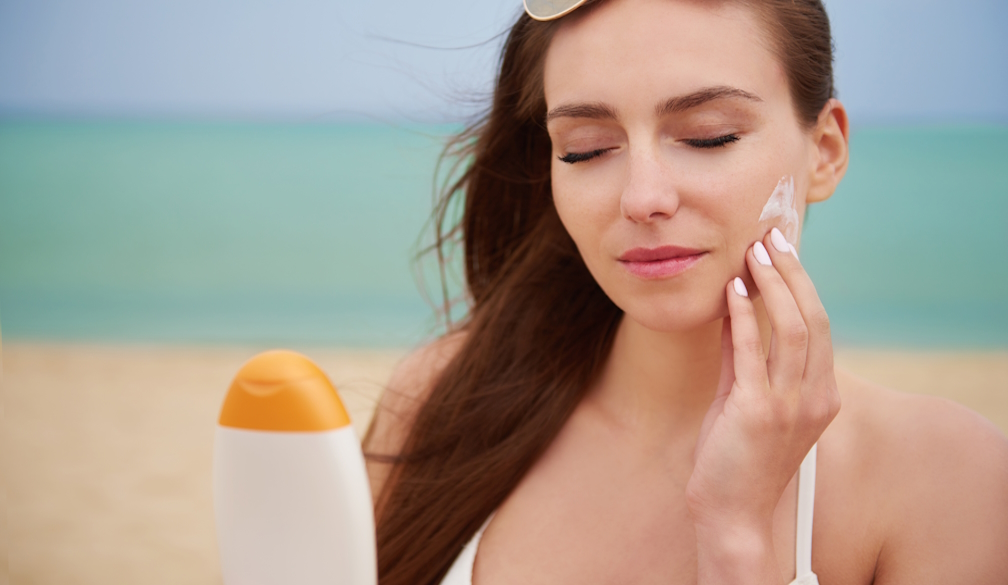
For many Australians, the beach is synonymous with summer. Long days in the sun, salty swims and hours spent outdoors are part of what people look forward to each year.
Time in the sun often feels pleasant and low risk, particularly when it is part of a holiday or relaxed weekend routine. Yet even a single episode of sunburn during childhood has been linked to a higher likelihood of melanoma later in life.
The encouraging part is that effective sun protection does not have to be complicated or costly. A handful of simple habits, applied consistently, can greatly reduce the risk of long-term skin damage while still allowing you to enjoy time by the ocean.
Key Points
- UV radiation can harm the skin quickly, making protection essential during beach visits.
- Broad-spectrum sunscreen with a high SPF should be used generously and reapplied often, particularly after swimming or sweating.
- Protective clothing, wide-brimmed hats and UV-rated sunglasses reduce overall UV exposure.
- Checking the UV index helps plan safer outdoor activity, as harmful exposure can occur even on overcast days.
- Sunlight reflects off sand and water, increasing UV exposure from multiple directions at the beach.
Why Beach Environments Increase Sun Risk
Spending time at the beach typically involves long periods in direct sunlight. Ultraviolet radiation includes UVA and UVB rays. UVB is mainly responsible for sunburn, while UVA penetrates deeper layers of the skin and contributes to premature ageing and long-term cellular damage.
Cloudy conditions do not eliminate risk. UVA radiation passes through cloud cover, meaning skin can still be exposed even when the sun does not feel intense.
Sand and water also reflect UV radiation, so exposure does not only come from overhead sunlight. This reflected radiation increases overall exposure and can cause burns in areas people often overlook.
A tan is often seen as a sign of enjoying the beach, but it actually indicates that the skin has already been injured by UV radiation. Repeated sun exposure over many years is a common reason people later seek advice at a preeminent skin clinic when skin changes begin to appear.
Use Sunscreen Every Day, Even When It Is Cloudy
Sunscreen should be part of every beach visit, regardless of the weather. Cooler temperatures and cloud cover do not prevent UVA radiation from reaching the skin.
Choosing a broad-spectrum sunscreen ensures protection from both UVA and UVB rays. Regular daily use helps limit the cumulative damage that builds up over time.
Apply Enough to Be Effective
Most people apply far less sunscreen than required. As a rough guide, an adult needs about a shot-glass amount to adequately cover the entire body. Using less significantly lowers the level of protection.
Sunscreen should be applied around 15 minutes before sun exposure. Areas such as the ears, back of the neck, tops of the feet and backs of the legs are commonly forgotten and are frequent sites of sunburn.
Make Sure Protection Covers UVA and UVB
Products labelled broad-spectrum protect against both forms of ultraviolet radiation. This is particularly important at the beach, where exposure is prolonged and intensified by reflection from surrounding surfaces.
Water-resistant sunscreen is helpful, but it does not mean the product is permanent. Protection gradually wears off with time, swimming and sweating.
Reapply Regularly Throughout the Day
Sunscreen protection fades and needs to be renewed. Reapplication every two hours is recommended, and more often after swimming or heavy sweating.
Sunburn often develops later in the day when people forget to reapply. Ongoing exposure without protection is a common factor behind long-term concerns such as pigmentation changes, premature ageing and persistent sun damage, which often lead people to seek care at a renowned skin cancer clinic.
Provide Extra Protection for Infants
Babies under 12 months should be kept out of direct sunlight whenever possible. Their skin has very little melanin and limited natural protection against UV radiation.
Shade and lightweight protective clothing are especially important for infants, as sunscreen alone is not sufficient for such sensitive skin. Reducing sun exposure early in life helps protect vulnerable skin during a critical stage of development.
Account for UV Reflection from Sand and Water
Sand and water reflect ultraviolet radiation, increasing total exposure. This can result in burns in less obvious areas such as under the chin, inside the nostrils and along the jawline.
Many people focus only on sunlight from above, overlooking the fact that reflection exposes the skin from below and from the sides as well.
Plan Around Peak UV Times
UV levels are highest between 10 am and 4 pm. Reducing time in direct sun during these hours lowers the risk of sunburn.
A simple indicator is your shadow. When your shadow appears shorter than your height, UV intensity is high and extra protection is needed.
Use Clothing as a Physical Shield
Clothing offers consistent physical protection from UV radiation. Fabrics with a tighter weave block more sunlight, and darker colours generally provide better protection than lighter shades.
Rash shirts, long-sleeved tops and beach cover-ups help protect areas such as the shoulders and chest. UV-rated clothing is also available for people who spend extended periods outdoors.
Protect the Face and Eyes
Wide-brimmed hats provide shade for the face, ears and neck. UV-protective sunglasses help shield the eyes and the delicate skin surrounding them.
These simple additions can make a significant difference to comfort and long-term skin health, often preventing painful sunburn at the end of a day outdoors.
Take Extra Care with Sun-Sensitising Medications
Some medications increase sensitivity to sunlight. Certain antibiotics, anti-inflammatories, blood pressure medications and acne treatments can make the skin more reactive to UV exposure.
When using these medications, stricter sun protection is recommended. This may involve more frequent sunscreen application, increased use of shade and shorter periods spent in direct sunlight.
Make Sun Protection Part of Every Beach Visit
A single day at the beach can involve far more UV exposure than many people realise. Risk comes from a combination of direct sunlight, reflection and prolonged time outdoors.
While sun damage accumulates gradually, protective habits can also build over time. Consistent sun safety reduces long-term risk and limits the need for corrective treatment later. Apply protection, stay aware of changes in your skin and make sun protection a standard part of every beach outing rather than an occasional afterthought.
Severe or blistering sunburn should be medically assessed. Ongoing redness or skin changes that persist after sun exposure also warrant professional review. In some cases, referral to a respected melanoma specialist may be appropriate for further evaluation.