
How Will Labor’s Social Media Ban Affect Young Australians Who Already Have Facebook
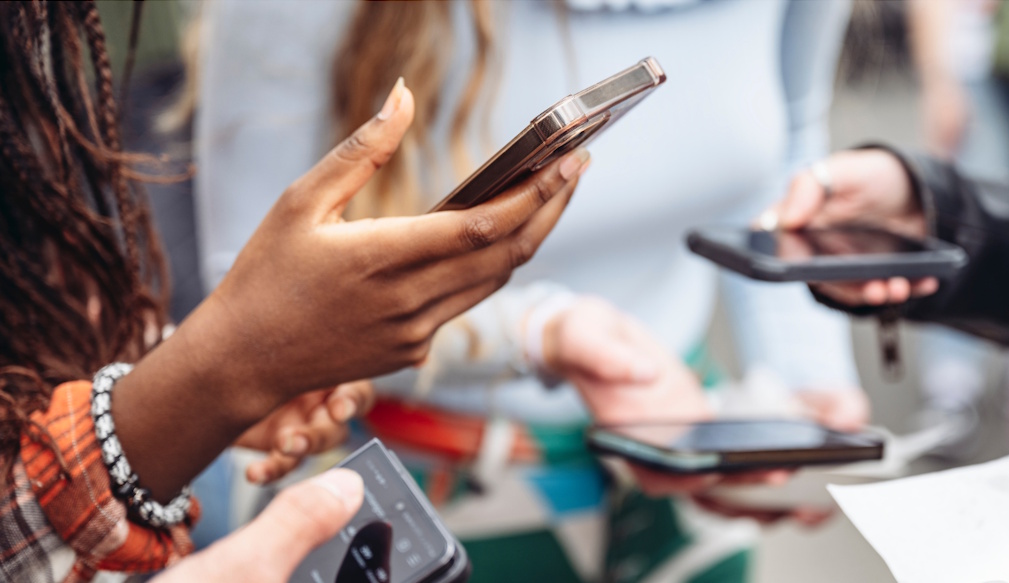
The Federal Government’s push to ban under-16s from mainstream social media is shaping up to be one of the most disruptive digital policy shifts Australia has seen in decades.
The idea sounds simple: protect kids from addictive algorithms, cyberbullying, and mature content. But for the millions of young Australians who already have accounts on Instagram, TikTok, Snapchat and Facebook, the reality is far more complicated.
This isn’t just a policy proposal — it’s a social earthquake. And young men and boys in particular may feel the impact intensely.
Here’s how the ban will realistically affect those already online.
1. Existing Accounts Won’t Be Safe: The Verification Wall
Labor’s plan introduces mandatory age verification for social media users. For adults, it means proving who you are.
But for 13–15-year-olds who already have an account, it means one thing:
Verify or lose your account.
Young Australians may suddenly face:
-
Locked accounts
-
Deleted content
-
Frozen messaging
-
Blocked access to their digital social circles
For teens who have built a three-year Instagram archive, run a small TikTok page, or manage group chats with footy teammates, the idea of losing their account isn’t minor — it’s identity-level disruption.
2. Teen Boys Rely on Social Platforms More Than Anyone Realises
Boys aged 12–16 often use social platforms for:
-
Team sport communication
-
Gaming community updates
-
Messaging instead of texting
-
School and homework groups
-
Sharing highlights, fitness clips, and training videos
-
Following athletes, influencers and creators who shape their interests
Removing social media access doesn’t just cut out entertainment — it severs the digital glue that holds many boys’ friendships together.
3. Expect a Surge in “Shadow Accounts” and Tech Workarounds
Let’s be real: Australian teens are tech-savvy.
A blanket ban may unintentionally push them into:
-
Fake adult accounts
-
VPN-based bypasses
-
Encrypted messaging apps
-
Anonymous corners of the internet
-
Less moderated global platforms
Ironically, the ban could make online life less safe, not more.
4. The Social Fallout: Isolation, FOMO and Friendship Gaps
Teen boys often fall into one of two categories:
1. Highly social, always connected online
These guys use group chats, memes, gaming updates, and sports banter as daily rituals.
2. Quieter boys who rely on online spaces more than real-world social environments
For them, messaging apps and curated online communities are lifelines.
A sudden ban could result in:
-
Loss of contact with school or club friends
-
Anxiety from disappearing group chats
-
Feeling cut off from the social world
-
Loss of connection in rural/regional areas where physical meetups are rare
-
Increased loneliness among introverted or marginalised boys
This is where mental health experts raise red flags.
5. The Identity Shock: Losing a Digital Life Already Built
Many teens have grown up documenting their lives online.
For them, losing accounts means losing:
-
Personal photos and videos
-
Fitness progress posts
-
Early “brand building” or creator profiles
-
Followers gained over years
-
Group chats with hundreds of messages
-
Saved content and private memories
Today’s young Australians create a digital identity BEFORE a social identity. Removing that identity overnight hits harder than older generations may realise.
6. Could It Help Boys’ Mental Health? Possibly – But It’s Not Guaranteed
Supporters of the ban point to some undeniable facts:
-
Boys are heavily impacted by algorithm-driven content loops
-
Social comparison triggers body image pressure (yes, for boys too)
-
Violent, sexual and extreme content reaches younger audiences than intended
-
Doomscroller habits are forming earlier
-
Influencer culture is warping expectations around wealth, fitness and dating
There’s strong evidence that limiting under-16s’ access could improve wellbeing, sleep, focus, and performance at school.
But the sudden removal approach — rather than a managed transition — risks:
-
Stress
-
Social withdrawal
-
Increased rebellious behaviour
-
Movement to darker, unregulated online spaces
It’s not just what the policy fixes — it’s what it breaks along the way.
7. The “Parent Problem”: Enforcement Will Fall on Families
Parents will be responsible for:
-
Confirming a child’s age
-
Helping them shut down accounts
-
Managing emotional fallout
-
Dealing with teens angry about losing their digital life
-
Preventing banned apps from being redownloaded
Many households are bracing for conflict.
8. Will the Ban Actually Work? The Honest Answer: Partially
The government can legislate.
Platforms can block accounts.
Parents can supervise devices.
But teens will:
-
Borrow older siblings’ phones
-
Use overseas app versions
-
Participate in new under-the-radar platforms
-
Switch to messaging apps not covered by the ban
-
Create burner accounts
Historically, no country has been able to fully enforce such bans.
Australia will likely end up with a hybrid system:
-
Fewer young teens on mainstream social media
-
But many active on hidden or alternative platforms
Conclusion: A Well-Meaning Reform With Real-World Challenges
Labor’s social media ban aims to solve a real problem: young Australians are being shaped by platforms never designed with their wellbeing in mind.
But for teens who already have accounts, the ban introduces new problems:
-
Loss of social connection
-
Identity disruption
-
Mental health risks
-
A move to more dangerous online spaces
Ultimately, its impact will depend on how well families, schools, platforms and policymakers adapt.
One thing is certain: for Australia’s young people — especially boys — this is not just a policy change. It’s a cultural shift that will reshape how they communicate, build friendships and define themselves in the digital age.