
Worried about hair loss? Here are 6 things all men should know to combat it
- Written by: Dr Andrew Thompson, registered doctor at InstantScripts
Approximately half of all men experience male-pattern baldness over the age of 40.[1] This form of balding, known as androgenetic alopecia, is a genetically predetermined disorder that causes a progressive loss of hair of the scalp at any age after puberty. While it usually occurs gradually over years, one in five men can experience significant balding in their twenties.[2]
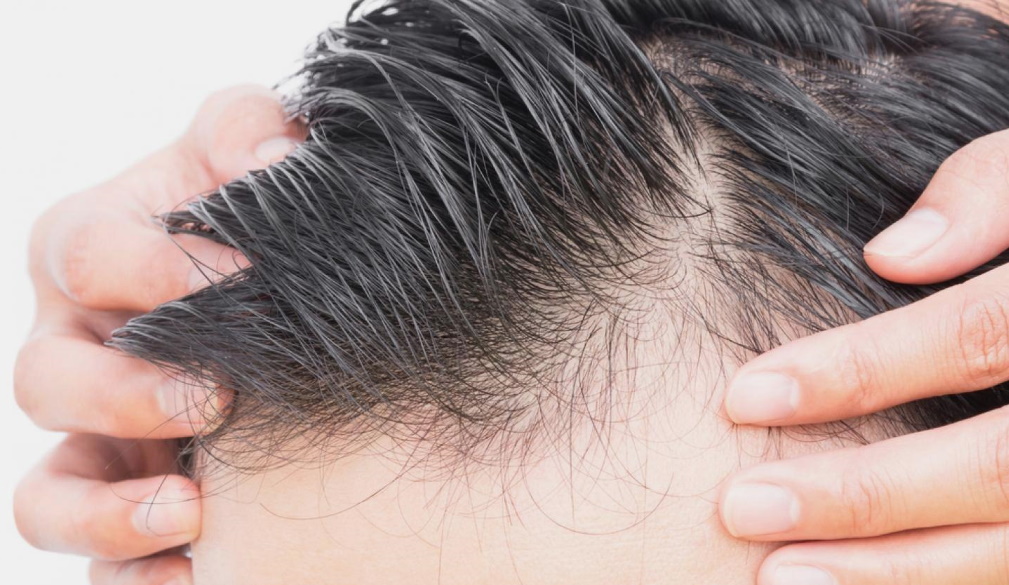
Male-pattern baldness usually causes a loss of hair in the vertex and frontotemporal regions of the scalp and is a highly visible condition. Although hair loss naturally occurs with age, it can adversely impact one’s self-image and self-esteem. It can be particularly distressing to men that experience male-pattern baldness at a younger age.
There is no cure, but there are treatments that can slow down and even halt hair loss. Some promising products can even reactivate the hair follicle and stimulate growth.
Below, I share 6 things all men should know to combat hair loss:
Talk to your GP about any concerns. Your first port of call for any hair loss concerns is your doctor. They will usually be able to find the cause through tests and specialist referrals, such as to a dermatologist. If you don’t have a regular doctor, I recommend seeking a doctor through your local medical centre or via a telehealth service, which can discuss your symptoms and recommend pathology testing and treatments to help you address hair loss concerns. Your GP may also take a sample of your skin and hair to further examine reasons for your hair loss and rule out any serious medical conditions.[3]
Consider medication. If no root disease or condition is found, there are several over-the-counter medicines that can help slow the hair loss process and stimulate hair growth. The most common treatment recommended by doctors and specialists, such as a dermatologist, is Minoxidil, a topical treatment that is applied to the scalp. Minoxidil is available over the counter and encourages hair growth and prevents hair loss. Prescription medications, such as Finasteride, a medicine taken orally, have also been found to improve hair growth and combat hair loss.
Be aware of the side effects. As with most medications, it is important to be aware of any potential side effects. Topical treatments could cause irritation in the scalp, including redness, itching and flaking. Side effects for oral hair loss medicines can also occur, although uncommon, including lower libido levels and skin irritation.[4] If you do develop side effects, it is important to consult your doctor. Your doctor will also guide you through your treatment process to avoid and manage any side effects, including starting you on a lower dose and slowly increasing it from there.
Try alternative treatments. Cosmetic treatments are also readily available and can help combat male pattern baldness, such as scalp reduction and hair transplants. Most hair transplants are successful,[5] however they are often costly and it can take several months to see results. It is important to do your due diligence and research any cosmetic options. It is also wise to seek advice from a doctor or specialist. These procedures are relatively invasive and come with risks, and a medical professional will be able to keep you informed and aware.
Be wary of ‘miracle regrowth’ claims. There are hundreds of products on the market that claim to stimulate hair regrowth or even reverse or ‘cure’ male pattern baldness. Be aware of potential false and embellished claims via advertising and social media. Treatments and procedures such as laser, plasma injections, hair tonics and nutritional supplements are often touted as ‘quick fixes’ and ‘miracle treatments’, however there is not enough evidence to support their efficacy. The most important step you can take is consulting a medical professional before commencing any treatment and ensuring you stay informed on the legitimate options available.
Have realistic expectations. Unfortunately, the results from hair loss treatments vary across individuals. While one treatment or therapy may work for one person, it may not be beneficial for another. Before starting any medication, it is important to visit your doctor to find the most suitable treatment for you. Keep in mind that everyone is unique and what works for one person may not always work for another.
About Dr Andrew Thompson
Dr Andrew Thompson is a registered doctor at leading telehealth and prescription service InstantScripts. Dr Thompson has nearly a decade of experience, including as an anaesthetist in the paediatrics, cardiology, trauma, and neurosurgery departments in hospitals, and as a telehealth doctor at InstantScripts, where he consults to 30-50 patients a day. His expert commentary has appeared in major media where he provides advice on maintaining good physical and mental health, and addresses issues around the accessibility and affordability of healthcare for Australians. www.instantscripts.com.au
[1] Healthdirect Australia, healthdirect.gov.au/male-pattern-baldness
[2] Andrology Australia, 2019, healthymale.org.au/files/resources/hair_loss_and_balding_fact_sheet_healthy_male_2019.pdf
[3] Healthdirect Australia, healthdirect.gov.au/male-pattern-baldness
[4] Andrology Australia, 2019, healthymale.org.au/files/resources/hair_loss_and_balding_fact_sheet_healthy_male_2019.pdf
[5] Better Health, Victorian Government, betterhealth.vic.gov.au/health/conditionsandtreatments/hair-transplant-surgery