
Setting Up a Home Gym? Why the Right Home Gym Flooring Matters More Than You Think
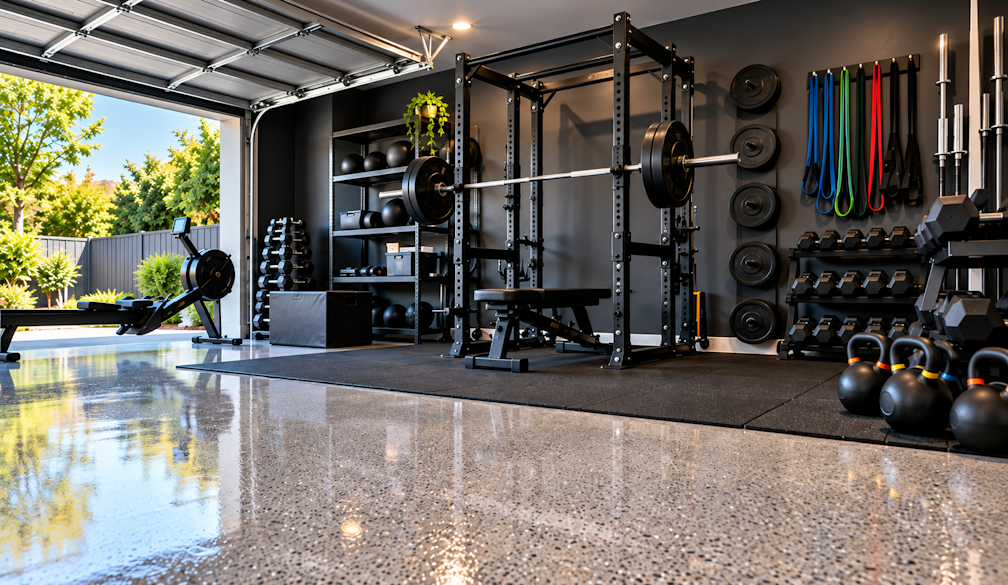
More Aussie blokes are ditching the gym membership and training at home. A squat rack in the garage, a few dumbbells and a bench can go a long way, especially when you can train whenever it suits you.
But while most people spend hours researching equipment, the floor underneath often gets overlooked. And that's a mistake. The wrong surface can crack, stain, slip or turn into a dusty, sweaty mess.
For many Brisbane homeowners, residential epoxy flooring in Brisbane has become a go-to base for home gyms, garages and multi-purpose spaces. Here's why the floor deserves serious thought before you start loading the bar.
Why Your Gym Floor Matters
A home gym floor has to deal with a lot. Heavy equipment, dropped weights, sweat, chalk, rubber marks and constant movement all take their toll.
Bare concrete might seem tough enough, but it's porous, dusty and prone to staining. It can also be cold, hard and unforgiving on equipment and joints.
Getting the flooring right from the start helps protect your investment, keeps the space cleaner and makes training more enjoyable.
What to Look for in Home Gym Flooring
The best home gym floor usually ticks a few key boxes:
- Durability: able to handle heavy racks, machines and dropped weights
- Easy cleaning: resistant to sweat, spills and dirt
- Grip: suitably slip-resistant, especially when things get sweaty
- Comfort and protection: some cushioning where heavy impacts happen
- Good looks: a space you actually want to spend time in
In many cases, the best result comes from combining two types of flooring rather than relying on one.
Your Main Flooring Options
Epoxy Flooring
Epoxy creates a sealed, seamless surface over concrete. It's resistant to sweat, spills and stains, easy to sweep and mop, and helps reduce concrete dust.
It also gives the space a clean, finished look, turning a tired garage into a proper training area. Textured finishes can improve grip underfoot.
Epoxy is a hard surface, though, so it's not designed to absorb the impact of heavy weights being dropped from height.
Rubber Flooring
Rubber mats or tiles provide cushioning and help absorb impact. They're ideal under lifting platforms, deadlift areas and spots where weights are regularly dropped.
However, rubber can trap sweat and dirt around edges and seams, and it doesn't offer the same polished look as a coated floor.
The Best of Both Worlds
Many home gym owners use epoxy as the base floor across the whole space, then add heavy-duty rubber mats in lifting zones. The epoxy protects the slab and keeps the room easy to clean, while the rubber absorbs impact where it matters most.
It's a practical setup that also makes it easy to move mats around as your gym evolves.
6 Tips for Setting Up Your Home Gym
1. Plan Your Layout First
Work out where your rack, bench, cardio equipment and storage will go before installing flooring. This helps you decide where rubber mats are needed and how much open space you'll have for movement.
2. Check Your Ceiling Height
Overhead presses, pull-ups and box jumps need clearance. Measure your ceiling and account for any beams, lights or garage door tracks before buying equipment.
3. Think About Brisbane's Climate
Brisbane summers are hot and humid, and a closed garage can quickly become a sauna. Good airflow, fans or air conditioning will make training far more comfortable.
Humidity can also encourage mould on porous surfaces. A sealed floor that's easy to clean can help keep things fresher.
4. Add Proper Lighting
Dim garages aren't great for training or safety. Bright LED lighting makes the space more inviting and helps you see what you're doing, especially during early morning or evening sessions.
5. Sort Out Storage
Plates, dumbbells, bands and kettlebells can quickly clutter a floor and become trip hazards. Wall-mounted racks and shelving keep everything organised and off the ground.
6. Consider the Neighbours
Dropped weights can be loud, especially in townhouses or homes close to the fence. Rubber mats and bumper plates help reduce noise and keep the peace.
Preparing the Concrete
If you're going with epoxy, preparation is key. Existing cracks, oil stains, old paint or moisture in the slab can affect how well the coating bonds.
Professional installers typically grind or prepare the surface, repair damage and assess moisture before applying the coating. It's one of the biggest differences between a floor that lasts and one that starts peeling.
Keeping the Floor in Good Shape
A few simple habits help your floor last longer:
- Sweep or vacuum regularly to remove grit and chalk
- Wipe up sweat and spills after training
- Use mats under heavy machines and lifting areas
- Avoid dragging heavy equipment across the floor
Beyond the Home Gym
One of the advantages of epoxy is versatility. The same floor that suits a home gym also works well in workshops, man caves, laundries and multi-purpose garages. If your space needs to double as a car park, workshop and training area, a durable coated floor can handle all three.
Local specialists in epoxy flooring in Brisbane can assess your slab and recommend a finish that suits how you plan to use the space.
Final Thoughts
A great home gym starts from the ground up. By choosing flooring that's durable, easy to clean and suited to your training style, you'll protect your equipment, your slab and your body.
Combine a sealed epoxy base with rubber where the heavy lifting happens, and you'll have a space that looks sharp and stands up to years of hard work.