
What Ford Ranger Owners Need to Know Before Fitting a Bull Bar to a Next-Gen Ranger
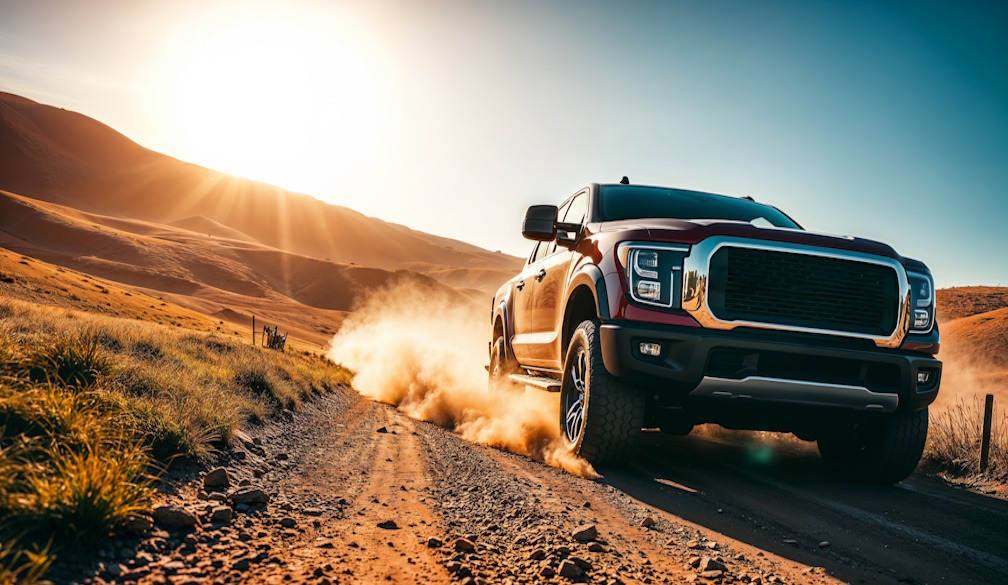
The Ford Ranger has been one of Australia's best-selling vehicles for years, and the current generation is far more technologically advanced than the utes that came before it. That sophistication is great on the road, but it means fitting a bull bar is no longer a simple bolt-on job. Owners who understand how the front end of a modern Ranger works will make a better decision and avoid costly surprises.
The Front End Is Full of Sensors
The latest Ranger relies on a range of driver assistance features, including autonomous emergency braking, adaptive cruise control, and forward collision warning. These systems depend on a radar unit and a camera mounted at the front of the vehicle, and both need a clear, correctly aligned view of the road ahead. A bull bar that sits too close to the radar, or one that was designed without the sensor in mind, can interfere with its field of view or trigger fault messages on the dash.
For that reason, a well-designed bar for this vehicle is engineered around the sensor locations, with cutouts or mounting positions that keep them unobstructed. After fitting, owners should confirm that all driver assistance features still work as intended. Independent safety organisations such as ANCAP publish detailed assessments of how these systems perform, which is a helpful reminder of why keeping them fully functional matters.
Airbags, Compliance, and Winches
Bull bars sold in Australia need to be compatible with the vehicle's airbag system, because the front of the vehicle is designed to crush in a controlled way during a collision. A poorly engineered bar can alter that behaviour. This is why compliance documentation and testing evidence are worth asking about before purchasing, rather than accepting a price that seems too good to be true.
Winch compatibility is another consideration. Many owners want the option of adding a recovery winch, either now or in the future. A bar built to take a winch has a reinforced mounting platform and the structural strength to handle the loads of a recovery, while a lighter bar designed purely for appearance may not. Deciding early whether a winch is likely will save the expense of replacing the bar later.
Weight, Ride Height, and the Front Axle
Every kilogram added to the nose of a ute affects how it sits and drives. A heavy steel bar, a winch, driving lights, and a bracket for a UHF antenna can add up to a meaningful load on the front axle. Many owners find that the front springs need to be upgraded to restore the original ride height and handling, particularly if the vehicle already carries a canopy or tows regularly.
Owners should also keep the vehicle's weight limits in mind. Adding accessories uses up part of the vehicle's payload, and that matters for anyone who regularly carries heavy gear or tows near the limit. Understanding where the weight goes helps ensure the vehicle stays safe and legal.
Choosing the Right Style for Your Use
The best bar depends on how the vehicle is used. A city driver who mainly wants front-end protection from minor impacts and a more rugged look may prefer a lightweight design that preserves handling and fuel economy. Someone who spends weekends on rural roads, where animal strikes are a real risk, will want something with more coverage and strength.
Owners comparing options for a ford ranger bull bar will typically find a range of materials and finishes, from powder-coated steel to lighter alloy and polymer designs. Matching the style to genuine needs, rather than choosing the toughest-looking option by default, tends to give the best long-term result.
Professional installation is strongly advised. Correct torque on the mounting bolts, careful routing of any wiring for lights or a winch, and a check that the sensors have not been disturbed all contribute to a safe result. After fitting, it is sensible to recheck the bolts after the first few hundred kilometres, since mounting hardware can settle in.
Background on the vehicle itself, including how the model has evolved across generations, is available on Wikipedia, and it provides useful context for owners researching which accessories are designed for their specific model year.
It is also worth a quick call to your insurer before fitting anything. Many insurers expect modifications to be declared, and a compliant bar installed by a professional, with the paperwork to prove it, keeps any future claim simple and avoids disputes about whether the vehicle was altered.
A bull bar can be a worthwhile addition to a Ranger, provided it is chosen with the vehicle's technology in mind rather than treated as a purely cosmetic add-on. Owners who take the time to check sensor compatibility, weight, and compliance before buying tend to end up with a vehicle that is both better protected and just as pleasant to drive as it was before.
