
Is My Tree Dying? Warning Signs, Common Causes and What to Do Next
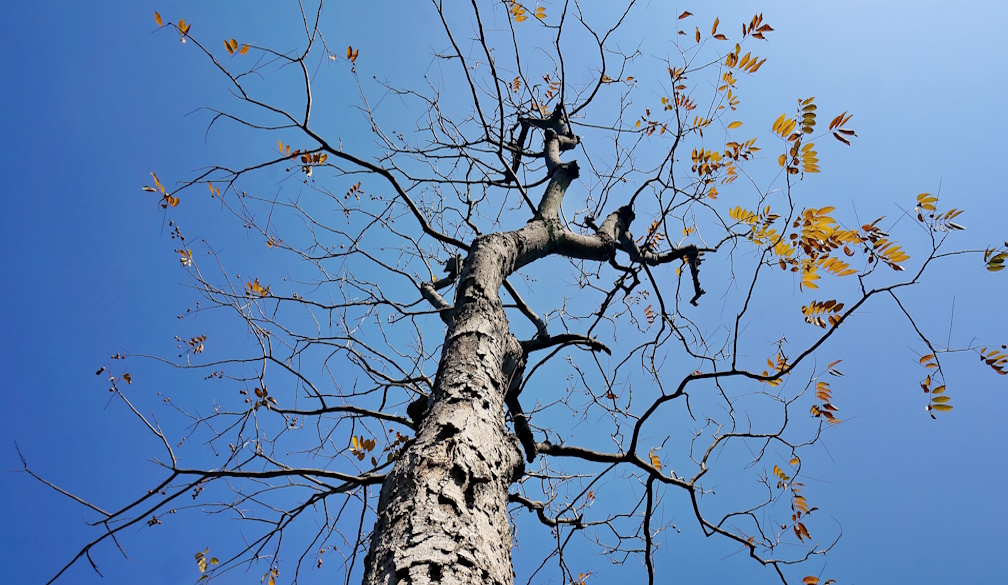
A tree with brown leaves or a bare branch can look as though it is dying. Yet the same symptoms can have very different causes. The tree may be responding to dry soil, damaged roots or a pest problem. It may also be losing branches while the rest of it remains healthy.
The useful question is not simply “Is my tree dying?” It is what has changed, how much of the tree is affected and whether its condition is getting worse. Those details help determine whether the tree needs better care, a professional assessment or removal.
What are the signs of a dying tree?
One symptom rarely tells the whole story. Look at the canopy, branches, trunk and ground around the tree.
A thinning canopy
If a tree has noticeably fewer leaves than it did in previous years, or large areas of the canopy remain bare when they should be in leaf, it may be struggling. Look for branches that are failing to produce new growth as well as leaves that are unusually small.
Compare the tree with others of the same species nearby if possible. Some trees naturally lose leaves at certain times of year, so seasonal changes should not be mistaken for decline.
Dead branches or dying branch tips
An occasional dead twig is common. Several dead branches, particularly high in the canopy or across different parts of the tree, deserve closer attention. Branches may die back because of drought, root damage, disease or other stresses.
Dead branches also create a safety concern if they could fall onto a path, vehicle or building. You do not need to know the cause before arranging an inspection of a large dead limb.
Leaves changing colour or dropping early
Yellowing, browning, wilting or early leaf drop can indicate that something is wrong, but leaf colour alone cannot diagnose it. Too little water and poorly drained soil can both affect leaves. So can pests, disease and damage to the roots.
Notice whether the symptoms affect the entire tree or only one branch. Also note when they began. A sudden change after excavation near the tree, for example, may be useful information for an arborist.
Changes to the trunk or base
Large cracks, cavities, loose bark or areas of decayed wood should be assessed, particularly if they appear alongside canopy dieback. Fungal growth on the trunk or around the base can sometimes indicate decay, although its presence does not tell a homeowner how much sound wood remains inside.
Look at the ground too. New lifting around the base, exposed roots or a recently developing lean may be more urgent than a change in leaf colour. Keep people away from a tree that appears unstable and arrange professional advice promptly.
Why might a tree be declining?
Trees often decline because of several stresses rather than one obvious problem. An arborist will consider the species, site conditions and recent changes before recommending treatment.
Water stress is a common possibility. Extended dry periods can affect growth and cause leaves to wilt or brown. Excess water can also create problems by limiting the oxygen available to roots. Adding more water without checking the soil may make matters worse.
Root damage can take time to become visible above ground. Trenching, driveway work, soil compaction and changes to ground level can all affect roots. If a tree began declining after construction or landscaping, tell the person assessing it what work took place and when.
Pests and disease may affect leaves, branches, bark or roots. Similar-looking symptoms can have different causes, so treatment should follow a diagnosis. A product applied for the wrong problem may do little to help the tree.
Age and site conditions also matter. A tree growing in a confined space or unsuitable soil may have struggled for years before the decline becomes obvious. Changes in drainage, nearby paving or competition from other plants can add to that stress.
Can a dying tree recover?
Sometimes. A tree that is stressed is not necessarily beyond help. If the main issue can be identified and addressed while enough of the tree remains healthy, it may recover over time. That might involve improving how it is watered, protecting the root area from further damage or removing dead branches where appropriate.
Recovery is less likely if substantial parts of the canopy have died, serious decay affects the trunk or roots, or the tree is structurally unsafe. Even then, appearance alone may not reveal the full extent of the problem.
Avoid heavy pruning in an attempt to “save” a struggling tree. Removing too much living growth can place it under further stress. Get advice before undertaking major pruning or cutting roots.
When should you call an arborist?
Arrange an assessment if the tree’s condition is worsening, several branches are dying, or you cannot identify what caused a sudden change. Seek prompt advice if there are large dead limbs, a developing lean, significant trunk damage or signs of movement around the base—especially where people or property could be affected.
Take a few photos over time if it is safe to do so. Record when the symptoms began and any recent digging, building work or changes to watering. This gives the arborist a clearer picture than a single description of “brown leaves”.
We spoke to Lakeside Trees and Stumps about trees showing signs of decline. Their advice is to assess the tree’s condition and surroundings before deciding whether it needs pruning or removal. A professional inspection can distinguish a tree that may respond to care from one that presents an unacceptable risk.
When does a dying tree need to be removed?
Removal may be necessary when a tree has died, is structurally unsound or poses a risk that cannot reasonably be managed. Its location matters: a failing tree beside a frequently used path or house requires a different level of urgency from one in an open area.
Before arranging removal, check any local council requirements that may apply. If the tree is removed, ask whether stump grinding is needed for future planting, paving or use of the space.
The best next step is to look beyond a single symptom. Check the whole tree, consider what has changed around it and get a qualified assessment when decline is persistent or safety is in question. Acting early gives you the best chance to care for a recoverable tree and to deal safely with one that cannot be retained.
