

3 Reasons Australia Cannot Do Without Trucks
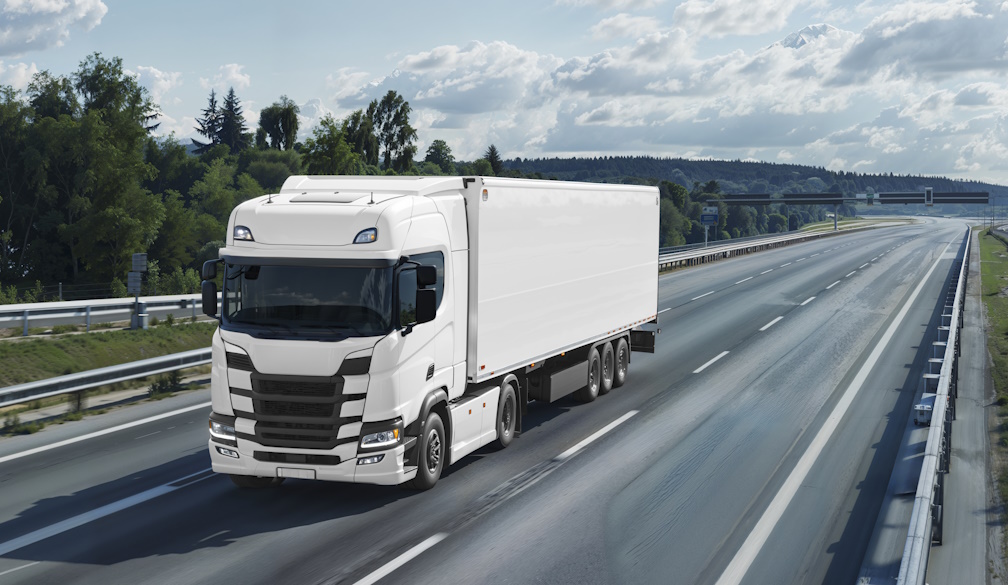
Australia is a continent of distance, contrast and demanding working conditions. A business may operate from a busy industrial area in Sydney, while its customers, suppliers or project sites may be spread across regional towns, mining areas, farming regions or remote communities. That creates real logistics, distribution and operational challenges for businesses that need goods to move on time.
Maintaining a healthy supply chain across such a diverse country is not always simple. Long routes, rough roads, limited transport alternatives, harsh weather and remote delivery points can all affect how quickly products, materials and essential supplies reach the people who need them. This is one reason trucks play such an important role in Australia’s transport network.
For many businesses and communities, trucks are the link between production and access. They help move food, fuel, building materials, retail stock, machinery, medical supplies and everyday products across long distances. It’s safe to say that they help keep daily life, business operations and regional supply moving.
In this post, we will look at three reasons trucks serve as one of the strongest supports of Australia’s economy, and why keeping them well maintained can help create safer, faster and more reliable operations.
Reason 01. Trucks Keep Goods Moving Across Australia’s Long Distances
Australia’s size makes freight movement more complicated than it may appear from the outside. Goods often need to travel between ports, farms, factories, warehouses, shops, construction sites and homes. In some cases, freight may move part of the way by rail, sea or air, but trucks are still needed to complete many of those journeys.
The National Freight Data Hub figures show the scale of road freight in Australia, with road freight activity continuing to grow and hundreds of thousands of jobs connected to road transport. That explains why trucks are so visible across highways, industrial areas, suburbs and regional routes. They are moving the goods that businesses need to operate and customers expect to receive.
This matters because long-distance freight only works when goods can move between major production, storage and distribution points reliably. For example, a pallet of stock in a warehouse does not help a shop in Liverpool, and fresh produce waiting at a distribution centre does not help a restaurant that needs ingredients for the morning rush.
Trucks make those long-distance and connecting stages possible. They move goods between major freight points and the places where they are actually used. For many businesses, that reliability affects revenue, customer service, scheduling and daily operations.
Reason 02. Trucks Complete the Last Mile for Homes and Businesses
Even when goods travel part of the way by ship, rail or air, they still need to reach their final destination. This final part of the journey is often called last-mile delivery, and it depends heavily on road transport.
A product sitting in a warehouse is not useful to a customer until it reaches a store, worksite, business or front door. Trucks, vans and delivery vehicles complete that final movement. They help supermarkets receive stock, cafes get fresh supplies, pharmacies restock essentials, and households receive online orders.
This is especially important as online shopping continues to grow. Customers now expect orders to arrive quickly and reliably, whether they are buying groceries, tools, electronics, clothing, car parts or household items. Behind that convenience is a transport network that relies on vehicles completing thousands of local delivery routes every day.
Last-mile delivery may sound like a small part of the freight journey, but it is the part people notice most. If the final delivery is delayed, the whole supply chain feels delayed to the customer.
Reason 03. Trucks Keep Heavy Industries and Job Sites Operating
Trucks also play a different role in industries that depend on heavy materials, machinery and site-based work. Construction, agriculture, mining, manufacturing and infrastructure projects all need vehicles that can move large, heavy or specialised loads.
A construction site may need timber, steel, concrete products, bricks, roofing materials, tools and machinery delivered at the right time. A farm may need trucks to move produce, livestock, feed, equipment and supplies. A manufacturing business may depend on trucks to receive raw materials and send finished products to customers.
In these industries, trucks are often part of the work itself. They carry equipment between locations, support production schedules, move materials across job sites and help businesses keep projects running. And when these vehicles are unavailable, the impact can be expensive. Crews may be held up, machinery may sit idle, products may miss deadlines and customers may face unexpected delays, hurting business credibility.
Why Truck Maintenance Matters for Safer and Faster Operations
A truck is only useful when it is ready to perform. If it fails to start before an early delivery, breaks down during a route, or loses power while carrying a time-sensitive load, the issue can affect more than the driver. It can delay customers, disrupt schedules, increase costs and place extra pressure on the business.
Regular maintenance helps reduce those risks. Tyres, brakes, fluids, lights, electrical systems and batteries all need attention because trucks often work under demanding conditions. Long hours, heavy loads, frequent stops, hot weather and rough routes can all place extra strain on vehicle components.
Battery health deserves special attention because many issues become obvious only when the vehicle refuses to start. For trucks and commercial vehicles, timely truck battery replacement can help prevent avoidable downtime. It also helps to speak with an experienced battery shop that understands the difference between everyday passenger vehicles and trucks that carry heavier operating demands.
Final Thoughts
Australia cannot do without trucks because they support the way the country lives, works and trades. Cars may help individuals manage personal travel, but trucks carry much of the commercial movement that keeps communities and businesses supplied. Their role becomes even more important in a country where distance, weather and limited transport alternatives can create real supply chain pressure.
This means that if your business depends on trucks, maintenance should never be left until something goes wrong. Whether you use trucks and large vehicles for local deliveries, construction support, regional supply or long-distance freight, keeping them properly maintained can support your operations and the people relying on them.