

How Podiatrists Safely Treat Painful Corns and Calluses
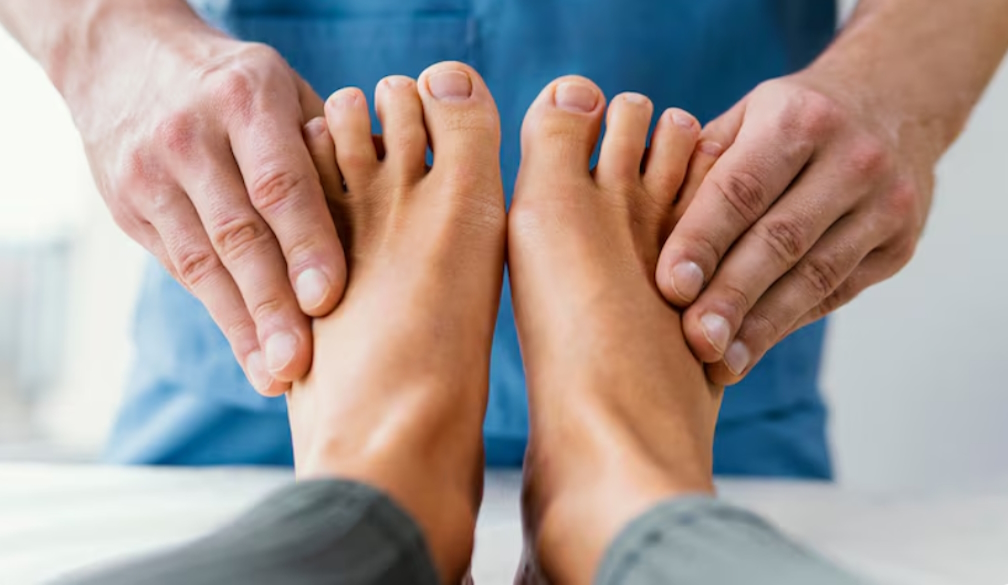
Corns and calluses are often viewed as minor annoyances, but for many, they can become debilitating sources of sharp or chronic pain. These conditions develop as a natural defense mechanism; when the skin is subjected to repeated friction or pressure, it thickens to protect the underlying tissue. However, when this "protection" becomes too dense, it begins to press into healthy skin and nerves, causing significant discomfort.
Professional corns and calluses treatment is the safest and most effective way to address these lesions. Unlike "bathroom surgery" or over-the-counter chemical patches—both of which carry high risks of infection and chemical burns—podiatric care focuses on sterile, pain-free removal and addressing the mechanical root cause.
1. Clinical Assessment and Diagnosis
The first step in professional treatment is a thorough clinical examination. Podiatrists must distinguish between a corn, a callus, and other similar-looking lesions like plantar warts. While they may look alike to the untrained eye, treating a wart as a corn (or vice versa) can be painful and ineffective.
A podiatrist at SAF Podiatry will assess:
- Foot Structure: High arches or flat feet can create specific pressure points.
- Gait Analysis: How you walk often dictates where friction occurs.
- Footwear Inspection: Identifying shoes with narrow toe boxes or poor cushioning that contribute to the problem.
2. Painless Debridement and Enucleation
The most immediate form of relief is the physical removal of the hardened skin. Because calluses and the outer layers of corns consist of dead skin cells (hyperkeratosis), they contain no nerve endings or blood supply. This means professional removal is typically completely painless.
- Debridement: Using a sterile surgical scalpel, the podiatrist carefully shaves away the layers of thickened callus. This reduces the bulk of the skin and relieves the broad pressure on the foot.
- Enucleation: For corns, which have a concentrated "plug" or nucleus, the podiatrist "scoops out" the core. This removes the sharp, pebble-like sensation that causes acute pain when walking.
3. Why DIY Treatments Are Risky
Many people turn to "corn plasters" or medicated patches available at pharmacies. These products often contain salicylic acid, which is designed to eat away at dead skin. However, these patches cannot distinguish between a hard corn and the healthy, soft skin surrounding it.
For individuals with diabetes or poor circulation, using these chemicals is particularly dangerous. They can cause skin maceration (whitening and softening), lead to chemical burns, and create open ulcers that are highly susceptible to infection. A podiatrist provides a mechanical solution that avoids these chemical risks entirely.
4. Pressure Redistribution and Prevention
Removing a corn or callus provides immediate relief, but it is only half of the solution. Because these lesions are a response to pressure, they will return within weeks if the underlying cause isn't addressed.
Podiatrists use several strategies to prevent recurrence:
- Custom Orthotics: To redistribute weight more evenly across the foot and offload bony prominences.
- Deflective Padding: Applying medical-grade felt or silicone separators to protect specific areas while the skin heals.
- Footwear Modification: Recommendations for shoes with better depth, width, and cushioning.
5. Specialist Care for High-Risk Patients
For patients with underlying health conditions, professional foot care is a medical necessity. Podiatrists play a critical role in "Diabetic Foot Care," where even a small corn can lead to a serious ulcer if left untreated. Professional debridement ensures the skin remains intact and healthy, preventing the complications that can lead to hospitalisation.
By seeking professional treatment, you replace a painful "quick fix" with a long-term strategy for comfort. Most patients walk out of their appointment with a noticeable, immediate difference in their comfort levels.
References
- Standards Australia: AS/NZS 4084.1:2023 (Safety and integrity standards for clinical equipment).
- Safe Work Australia: Guidelines for infection control in healthcare settings.
- AHPRA (Australian Health Practitioner Regulation Agency): Professional standards for podiatry practice.
- Mayo Clinic: Clinical overview of hyperkeratosis and podiatric debridement techniques.