
Inside a Windscreen Chip Repair: What Happens to the Glass
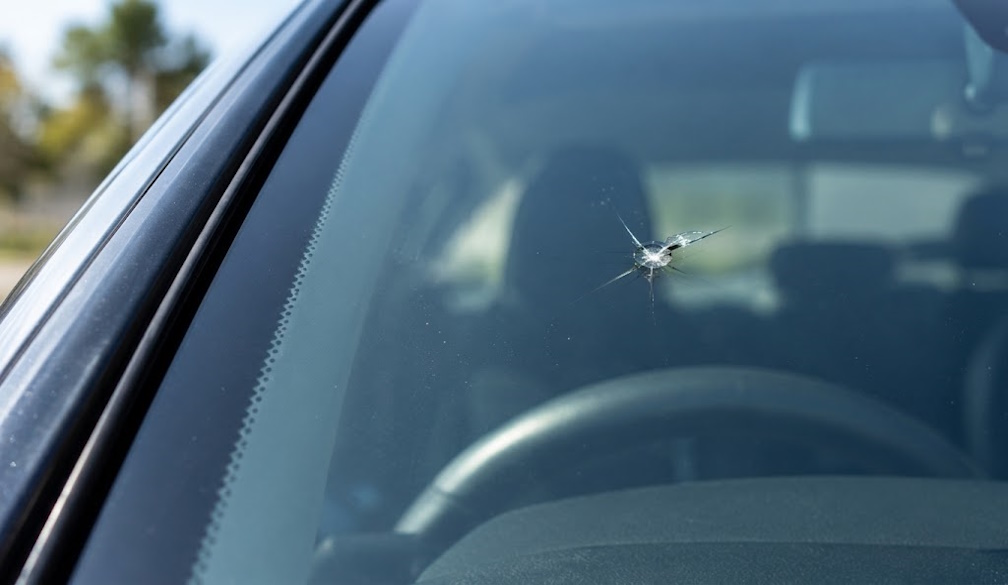
Most drivers know that a small chip can sometimes be repaired. Far fewer have seen how it is done. From the outside a repair can look simple, and the work behind it is more methodical than it appears. Knowing the basic steps makes it easier to follow what a technician is explaining when a chip is assessed.
What a Windscreen Is Made Of
A windscreen is not a single sheet of glass. According to RAC, the motoring organisation in Western Australia, windscreens are made from laminated glass, with layers of glass placed on top of each other and a plastic sheet sitting between them.
That build helps explain why a chip repair is a local job. The work is carried out on the damaged spot itself, not across the whole windscreen, and the aim is to fill and stabilise that small area.
How Chips Usually Start
Small chips typically begin with a stone or other debris, often flicked up by another vehicle. The mark can be tiny, which is why it is easy to overlook.
Once a chip is noticed, it is worth having it looked at without a long delay. Small chips have the potential to get bigger over time, so an early look keeps the options open.
The Steps of a Repair
The technician first checks the damage, looking at its size, its type and where it sits on the glass. If it suits a repair, the process generally runs in four stages, as RACQ, the Queensland motoring club, describes it.
The first stage is preparation. Small tools such as probes and rotary burrs are used to clean out and open the damaged area so the repair material can take hold. A bridge tool is then fixed over the chip, and a special resin is injected under pressure. The pressure forces the resin into the damage and pushes trapped air out.
Once the chip is filled, a second resin may be applied to any surface pitting. A UV lamp then cures the resin so it hardens in place. The final stage is finishing. Excess resin is scraped away, the area is polished with a fine abrasive paste and the glass is cleaned.
Anyone comparing a windscreen repair service can use these four stages as a simple checklist. Asking which steps are carried out, and how the damage is assessed beforehand, gives a clear picture of what the job involves.
Why Assessment Comes First
Not every chip is suited to repair, which is why the assessment step matters. Size, type and position on the screen all play a part, and so can earlier repairs in the same area. A chip in a different place on the glass may be treated differently from one directly in the driver's view.
As a rough guide, a manager in a motoring club glass network has said that chips up to 20 mm across directly in the driver's view, and up to 25 mm elsewhere on the windscreen, are suitable for repair. Those figures are a reference point rather than a promise, because each chip is judged on its own details. A crack that starts and finishes at the edge of the glass is a separate matter and is generally not suited to repair.
Questions Worth Asking
A short list of questions makes any conversation about a chip more useful. How big is the damage, and what type is it? Where on the windscreen does it sit? Has the area been repaired before? Which steps will be carried out, and how long is the work expected to take?
It is also worth asking what the repair is expected to achieve. The purpose of repairing a chip while it is small is to prevent further damage, which is a more modest aim than making the glass look untouched.
Spotting Chips Early
Small marks are easiest to deal with when they are found early. A quick look over the windscreen when filling up with fuel or washing the car takes seconds, and keeping the glass clean makes a new chip easier to see. It is a habit that costs almost nothing and is simple to keep.
